As Kenya edges closer to the 2027 General Election, an important question deserves our attention: Are we preparing for a different political future, or are we simply preparing to repeat the same mistakes?
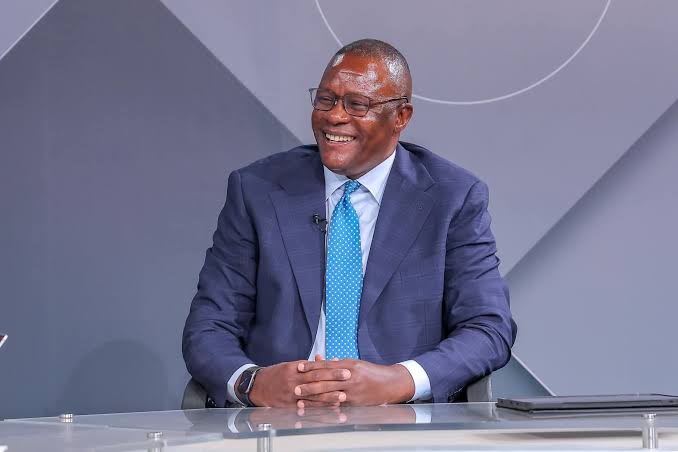
A statement captured in Owalo's remarks raises an interesting conversation about the country's political direction and the choices Kenyans must make as they approach another election.
For years, Kenyan politics has followed a familiar pattern. Election seasons arrive with promises of transformation, economic recovery, better healthcare, employment opportunities and improved public services. Politicians travel across the country, make commitments and ask citizens to trust them with another five years.
But once the elections are over, the relationship between the electorate and those elected often changes.
The excitement fades, promises become difficult to trace, and citizens are left asking whether their votes translated into meaningful change.
Perhaps the real problem is not that Kenya lacks political choices. Perhaps it is that we keep rewarding familiar political behaviour while expecting different outcomes.
The politics of familiar faces and repeated promises
There is a growing need for Kenyans to look beyond political personalities, party affiliations and campaign slogans.
A candidate's ability to mobilise crowds does not automatically translate into the ability to govern. Neither does political experience necessarily guarantee integrity, competence or accountability.
The 2027 election should therefore challenge voters to ask more difficult questions.
- What has this candidate actually delivered?
- What is their position on unemployment and the rising cost of living?
- How do they intend to manage public resources?
- What measurable development goals are they proposing?
- Are they accessible to citizens beyond election season?
These questions should matter more than political friendships and campaign excitement.
Are Kenyan voters ready to demand something different?
Breaking the election-year cycle requires more than changing the people occupying political offices. It requires changing how we participate in democracy.
We cannot spend five years complaining about poor leadership and then return to the same political habits during election season.
We must become more intentional voters, examine manifestos, question campaign financing, scrutinise political alliances and hold leaders accountable for their records.
Equally important, we must give emerging leaders an opportunity to compete on ideas, competence and integrity rather than assuming that political leadership belongs to established political families and wealthy individuals.
### 2027 must be about more than winning elections
Kenya does not simply need another successful election. It needs an election that produces leadership capable of addressing the country's real challenges.
The conversation must move beyond who is likely to win and towards who is capable of delivering.
Democracy should not end at the ballot box. Voting is only the beginning of a relationship between citizens and the people entrusted with public responsibility.
As we approach 2027, perhaps the most important question is not whether politicians are ready for another election.
It is whether Kenyans are ready to make different choices.
Because if we keep choosing the same political behavior, we should not be surprised when we get the same political outcomes.
So, can Kenya break its election-year cycle?
The answer will ultimately depend not only on those seeking leadership, but also on the citizens deciding who deserves it.