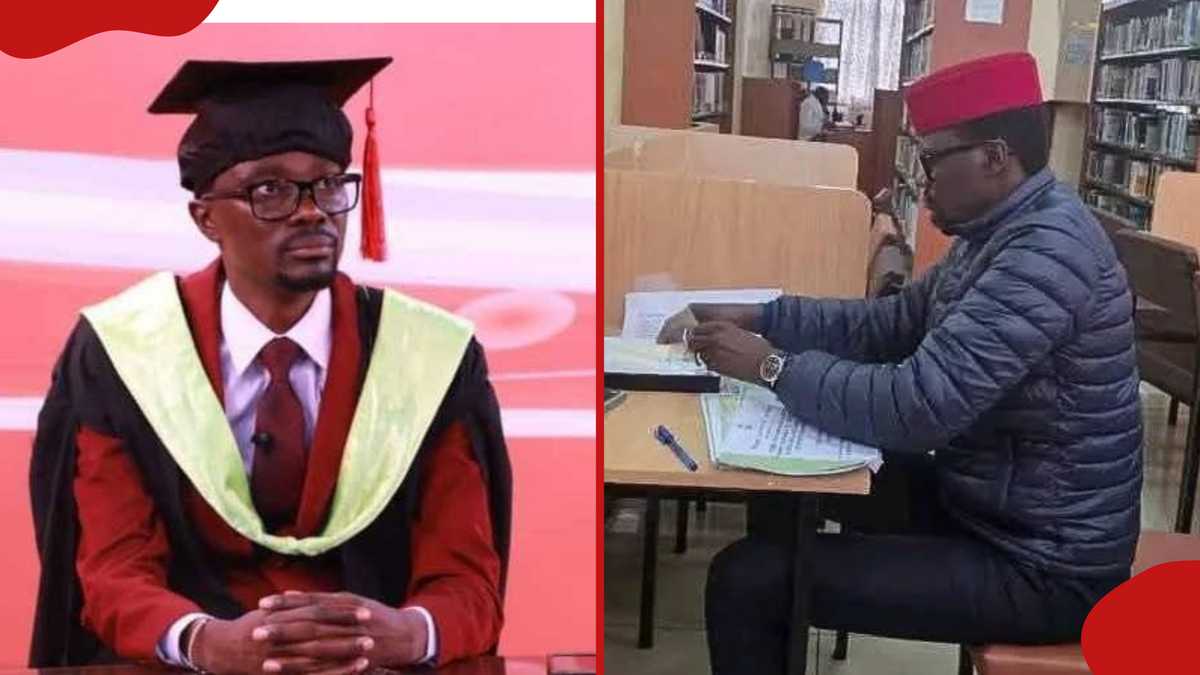

Kenya has a new question to ask itself.
When a university says that a sitting Member of Parliament was never its student, that his name does not appear in its records and that the certificate attributed to him is “NOT GENUINE,” the story should not end with the politician involved.
It should begin there.
On September 14, 2026, Jomo Kenyatta University of Agriculture and Technology (JKUAT) told the Consumers Federation of Kenya that Kimilili MP Didmus Barasa was not a student at the university and was not awarded the Bachelor of Electrical and Electronic Engineering degree appearing on the disputed certificate. JKUAT also said it did not hold a graduation ceremony in May 2008, the date indicated on the certificate.
That raises an uncomfortable question:
Is Didmus Barasa an isolated case, or is he simply the latest person whose academic credentials have been subjected to serious scrutiny?
The answer is important because Kenya has seen academic qualification controversies before.
Take the case of Kapseret MP Oscar Sudi. He was charged in 2016 over alleged forged academic certificates, including a diploma and KCSE certificate. A former school principal later testified that Sudi had not sat the KCSE examination at the school named on the disputed certificate. However, in 2024, Sudi was acquitted after the court found problems with the police investigation.
Then there was the controversy surrounding former Nairobi governor Johnson Sakaja's academic qualifications in 2022. The Commission for University Education revoked a degree he had presented from Uganda pending investigations. The High Court later dismissed a petition challenging his qualification because the petitioner had not provided sufficient proof. That case demonstrates why allegations, institutional findings and final court determinations must not be treated as the same thing.
There have also been controversies involving other elected leaders, including former Taita Taveta governor Granton Samboja, whose academic certificates were challenged in court and reported to have been declared fake during proceedings.
And this problem is clearly not limited to politicians.
In January 2025, the Ethics and Anti-Corruption Commission announced that it had arraigned five public officials over alleged academic certificate forgery. According to EACC, the credentials were allegedly used to obtain employment or career advancement in public institutions, including IEBC and Nairobi City Water and Sewerage Company.
In another case, EACC prosecuted a former senior IEBC official accused of forging academic certificates. The commission said the alleged documents had been used to secure employment and that the person had earned more than KSh37 million in salary and benefits during the period under investigation. The accused pleaded not guilty.
So perhaps the bigger question is not:
“Does Kenya have politicians with fake certificates?”
We already know that academic qualification disputes and proven or alleged certificate fraud have occurred in public institutions.
The bigger question is:
How many questionable certificates have never been properly checked?
Think about the ordinary Kenyan graduate.
A young person can spend four years at university, pay tuition, sit examinations, complete attachments, write a final-year project and finally graduate.
Then comes the job hunt.
They are asked to upload certificates.
They are asked for transcripts.
Their documents are verified.
Sometimes they wait months for employment because an institution wants to confirm whether their qualifications are genuine.
Yet when questions arise about the qualifications of someone seeking political office, the process can become complicated, political and painfully slow.
That creates a dangerous double standard.
Academic qualifications are supposed to demonstrate that someone possesses a particular level of education or professional preparation. They should not be political decorations.
And there is another uncomfortable part of this conversation.
We should not assume that everyone with a disputed certificate is guilty of forgery.
A university record can be wrong.
A name can be misspelled.
A qualification can be misunderstood.
A person can have studied somewhere without completing a degree.
And, as the Sakaja and Sudi cases demonstrate, an allegation can survive in public discussion even after a court reaches a different conclusion.
That is why Kenya needs something more powerful than political accusations:
verification.
Universities should be able to confirm qualifications quickly.
Professional regulators should maintain accessible records.
Election authorities should verify qualifications before candidates are cleared where the law requires them.
And where a public official's qualification is formally disputed, the public deserves to know what was verified, what was not verified, and what action followed.
The Didmus Barasa case therefore deserves more than political shouting.
JKUAT has made a specific institutional finding about the certificate attributed to him. The university says the certificate is not genuine and says it had previously communicated related information to the Ethics and Anti-Corruption Commission and the Engineers Board of Kenya.
Now the relevant institutions have to do their part.
Because perhaps Didmus Barasa is an exceptional case.
Perhaps he is one of several.
Perhaps there are others whose credentials have never been examined closely enough.
We simply cannot know the scale of the problem by looking only at the people who have already been exposed.
And that is why this story should not be about one politician and one certificate.
It should be about the integrity of the system that allows people to present qualifications in the first place.
If a certificate can be questioned years after someone has entered public life, why was it not verified before they got there?
That is the question Kenya should be asking.
When a university says that a sitting Member of Parliament was never its student, that his name does not appear in its records and that the certificate attributed to him is “NOT GENUINE,” the story should not end with the politician involved.
It should begin there.
On September 14, 2026, Jomo Kenyatta University of Agriculture and Technology (JKUAT) told the Consumers Federation of Kenya that Kimilili MP Didmus Barasa was not a student at the university and was not awarded the Bachelor of Electrical and Electronic Engineering degree appearing on the disputed certificate. JKUAT also said it did not hold a graduation ceremony in May 2008, the date indicated on the certificate.
That raises an uncomfortable question:
Is Didmus Barasa an isolated case, or is he simply the latest person whose academic credentials have been subjected to serious scrutiny?
The answer is important because Kenya has seen academic qualification controversies before.
Take the case of Kapseret MP Oscar Sudi. He was charged in 2016 over alleged forged academic certificates, including a diploma and KCSE certificate. A former school principal later testified that Sudi had not sat the KCSE examination at the school named on the disputed certificate. However, in 2024, Sudi was acquitted after the court found problems with the police investigation.
Then there was the controversy surrounding former Nairobi governor Johnson Sakaja's academic qualifications in 2022. The Commission for University Education revoked a degree he had presented from Uganda pending investigations. The High Court later dismissed a petition challenging his qualification because the petitioner had not provided sufficient proof. That case demonstrates why allegations, institutional findings and final court determinations must not be treated as the same thing.
There have also been controversies involving other elected leaders, including former Taita Taveta governor Granton Samboja, whose academic certificates were challenged in court and reported to have been declared fake during proceedings.
And this problem is clearly not limited to politicians.
In January 2025, the Ethics and Anti-Corruption Commission announced that it had arraigned five public officials over alleged academic certificate forgery. According to EACC, the credentials were allegedly used to obtain employment or career advancement in public institutions, including IEBC and Nairobi City Water and Sewerage Company.
In another case, EACC prosecuted a former senior IEBC official accused of forging academic certificates. The commission said the alleged documents had been used to secure employment and that the person had earned more than KSh37 million in salary and benefits during the period under investigation. The accused pleaded not guilty.
So perhaps the bigger question is not:
“Does Kenya have politicians with fake certificates?”
We already know that academic qualification disputes and proven or alleged certificate fraud have occurred in public institutions.
The bigger question is:
How many questionable certificates have never been properly checked?
Think about the ordinary Kenyan graduate.
A young person can spend four years at university, pay tuition, sit examinations, complete attachments, write a final-year project and finally graduate.
Then comes the job hunt.
They are asked to upload certificates.
They are asked for transcripts.
Their documents are verified.
Sometimes they wait months for employment because an institution wants to confirm whether their qualifications are genuine.
Yet when questions arise about the qualifications of someone seeking political office, the process can become complicated, political and painfully slow.
That creates a dangerous double standard.
Academic qualifications are supposed to demonstrate that someone possesses a particular level of education or professional preparation. They should not be political decorations.
And there is another uncomfortable part of this conversation.
We should not assume that everyone with a disputed certificate is guilty of forgery.
A university record can be wrong.
A name can be misspelled.
A qualification can be misunderstood.
A person can have studied somewhere without completing a degree.
And, as the Sakaja and Sudi cases demonstrate, an allegation can survive in public discussion even after a court reaches a different conclusion.
That is why Kenya needs something more powerful than political accusations:
verification.
Universities should be able to confirm qualifications quickly.
Professional regulators should maintain accessible records.
Election authorities should verify qualifications before candidates are cleared where the law requires them.
And where a public official's qualification is formally disputed, the public deserves to know what was verified, what was not verified, and what action followed.
The Didmus Barasa case therefore deserves more than political shouting.
JKUAT has made a specific institutional finding about the certificate attributed to him. The university says the certificate is not genuine and says it had previously communicated related information to the Ethics and Anti-Corruption Commission and the Engineers Board of Kenya.
Now the relevant institutions have to do their part.
Because perhaps Didmus Barasa is an exceptional case.
Perhaps he is one of several.
Perhaps there are others whose credentials have never been examined closely enough.
We simply cannot know the scale of the problem by looking only at the people who have already been exposed.
And that is why this story should not be about one politician and one certificate.
It should be about the integrity of the system that allows people to present qualifications in the first place.
If a certificate can be questioned years after someone has entered public life, why was it not verified before they got there?
That is the question Kenya should be asking.