Kenyan media notables have halted spectator norms. They are on stages, on ballots and in comment sections, and four years into William Ruto's presidency, they disagree about what he has built. The question that follows is: are the roads, houses and ports enough?
Start with the record, because everything else rests on it. A four-year review found a mixed picture, with some promises delivered while others remain delayed, altered or unmet. The Rironi–Mau Summit highway is the clearest example. It is about 20 per cent complete, with its first phase expected by October 30, 2026, but the full project has slipped to June 2027 from an August 2026 target. The pledge to double Kenya's tarmac network within seven years also remains incomplete. Housing tells the same story in different numbers: about 8,800 units completed since Ruto took office, with more than 214,000 more reported under construction. Reviewers add that the government has made significant progress on several projects but has also breached several deadlines.
Four Years, Four Sectors: The Ruto Promises Kept, Stalled and Abandoned - Kenyans.co.ke +4
That gap, between what is finished and what is promised, is where the argument lives. On one side stands Jalang'o, the man who won the Lang'ata seat in 2022 on an ODM ticket after years as a radio host, actor and comedian. A recent report says he sees a Ruto victory in 2027 and points to the reception in Nyanza and cooperation between parties as the key to locking in support. He speaks like a man who believes delivery and coalitions win elections.
bana
bana
On the other side stands Eric Omondi, the comedian who made activism a platform. He has called the government's NYOTA youth programme a campaign tool and urged sustainable jobs instead of cash handouts. The two are longtime friends and recent sparring partners; their latest public exchange, over Omondi's push to cut the number of counties, left Kenyans divided online. It showed how quickly the entertainment world's political fault lines can crack open.
peopledaily
k24
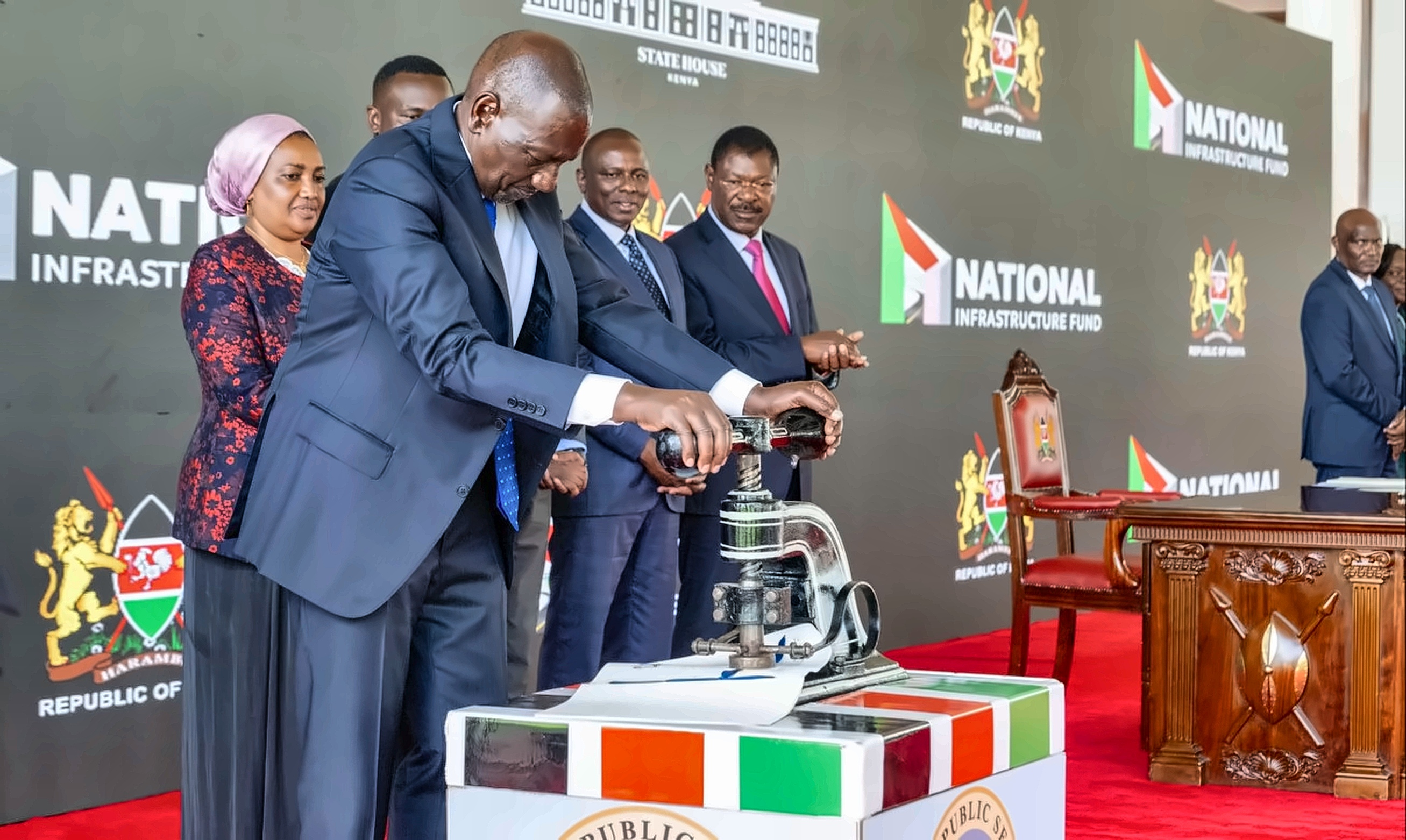
The president, for his part, is governing like a man already on the campaign trail. This weekend in Taita-Taveta he inspected a 57-kilometre road and declared that his administration will not retreat from its development agenda. He has brushed off claims that roads favour his strongholds, saying he will build them everywhere and that opposition criticism is free publicity. He has even used a road near Kalonzo Musyoka's home as a yardstick against him, and Kalonzo has hit back over the "40 years" jibes. His deputy, Kithure Kindiki, has urged Kenyans to judge Ruto on his development record. Supporters point to the proposed Standard Gauge Railway extension to Kisumu, the Rironi–Mau Summit expansion, the Affordable Housing Programme and the 205-kilometre Isiolo-Kulamawe-Modogashe road in the north-east.
‘No retreat or surrender’: Ruto doubles down on development agenda +4
The critics see a different scoreboard. Pundits argue that the president's UN address painted an optimistic picture that clashes with economic realities at home. On the KES 5 trillion infrastructure push, analysts remain divided on feasibility given fiscal constraints and a high cost of living. Ndindi Nyoro has asked Ruto to make public the shareholding structure of the Sh60 billion Lamu refinery. Their point is less that roads aren't being built than that cost, priority and transparency still need answers.
Ruto Launches Eight-Day Coast Development Tour - September 2026 +2
The opposition carries its own weight of doubt. It is fractured and lacking a clear presidential candidate, yet it has rallied supporters by calling for a one-term Ruto presidency. Its leaders have vowed to field a single challenger. Meanwhile, youth frustration fuels calls to stop Ruto winning a second term, even as opposition splits strengthen his prospects.
‘Wantam!’, ‘tutam!’ political sloganeering divides Kenya’s electorate +2
That is why the split among Kenyan media notables matters. They command the attention of the young voters both camps need, and their disagreement mirrors the country's: one side sees cranes and concrete as proof of delivery, the other measures success in jobs and living costs. Roads can be measured, opened, and photographed. Whether they are enough to carry a president through 2027 is a verdict voters will deliver, not personalities.
Start with the record, because everything else rests on it. A four-year review found a mixed picture, with some promises delivered while others remain delayed, altered or unmet. The Rironi–Mau Summit highway is the clearest example. It is about 20 per cent complete, with its first phase expected by October 30, 2026, but the full project has slipped to June 2027 from an August 2026 target. The pledge to double Kenya's tarmac network within seven years also remains incomplete. Housing tells the same story in different numbers: about 8,800 units completed since Ruto took office, with more than 214,000 more reported under construction. Reviewers add that the government has made significant progress on several projects but has also breached several deadlines.
Four Years, Four Sectors: The Ruto Promises Kept, Stalled and Abandoned - Kenyans.co.ke +4
That gap, between what is finished and what is promised, is where the argument lives. On one side stands Jalang'o, the man who won the Lang'ata seat in 2022 on an ODM ticket after years as a radio host, actor and comedian. A recent report says he sees a Ruto victory in 2027 and points to the reception in Nyanza and cooperation between parties as the key to locking in support. He speaks like a man who believes delivery and coalitions win elections.
bana
bana
On the other side stands Eric Omondi, the comedian who made activism a platform. He has called the government's NYOTA youth programme a campaign tool and urged sustainable jobs instead of cash handouts. The two are longtime friends and recent sparring partners; their latest public exchange, over Omondi's push to cut the number of counties, left Kenyans divided online. It showed how quickly the entertainment world's political fault lines can crack open.
peopledaily
k24
The president, for his part, is governing like a man already on the campaign trail. This weekend in Taita-Taveta he inspected a 57-kilometre road and declared that his administration will not retreat from its development agenda. He has brushed off claims that roads favour his strongholds, saying he will build them everywhere and that opposition criticism is free publicity. He has even used a road near Kalonzo Musyoka's home as a yardstick against him, and Kalonzo has hit back over the "40 years" jibes. His deputy, Kithure Kindiki, has urged Kenyans to judge Ruto on his development record. Supporters point to the proposed Standard Gauge Railway extension to Kisumu, the Rironi–Mau Summit expansion, the Affordable Housing Programme and the 205-kilometre Isiolo-Kulamawe-Modogashe road in the north-east.
‘No retreat or surrender’: Ruto doubles down on development agenda +4
The critics see a different scoreboard. Pundits argue that the president's UN address painted an optimistic picture that clashes with economic realities at home. On the KES 5 trillion infrastructure push, analysts remain divided on feasibility given fiscal constraints and a high cost of living. Ndindi Nyoro has asked Ruto to make public the shareholding structure of the Sh60 billion Lamu refinery. Their point is less that roads aren't being built than that cost, priority and transparency still need answers.
Ruto Launches Eight-Day Coast Development Tour - September 2026 +2
The opposition carries its own weight of doubt. It is fractured and lacking a clear presidential candidate, yet it has rallied supporters by calling for a one-term Ruto presidency. Its leaders have vowed to field a single challenger. Meanwhile, youth frustration fuels calls to stop Ruto winning a second term, even as opposition splits strengthen his prospects.
‘Wantam!’, ‘tutam!’ political sloganeering divides Kenya’s electorate +2
That is why the split among Kenyan media notables matters. They command the attention of the young voters both camps need, and their disagreement mirrors the country's: one side sees cranes and concrete as proof of delivery, the other measures success in jobs and living costs. Roads can be measured, opened, and photographed. Whether they are enough to carry a president through 2027 is a verdict voters will deliver, not personalities.