
When comedians start eyeing political seats, one question deserves an answer: Is leadership becoming a serious calling or has politics become another stage for entertainment?
The conversation around celebrities entering politics has taken an interesting turn following an interview on JKL Live, where comedians Erick Omondi and Abel Mutua discussed their political ambitions, including the possibility of becoming Members of Parliament.
Their ambitions raise a question worth asking: After Lang’ata gave a comedian a chance, would Kenyans willingly make the same gamble again?
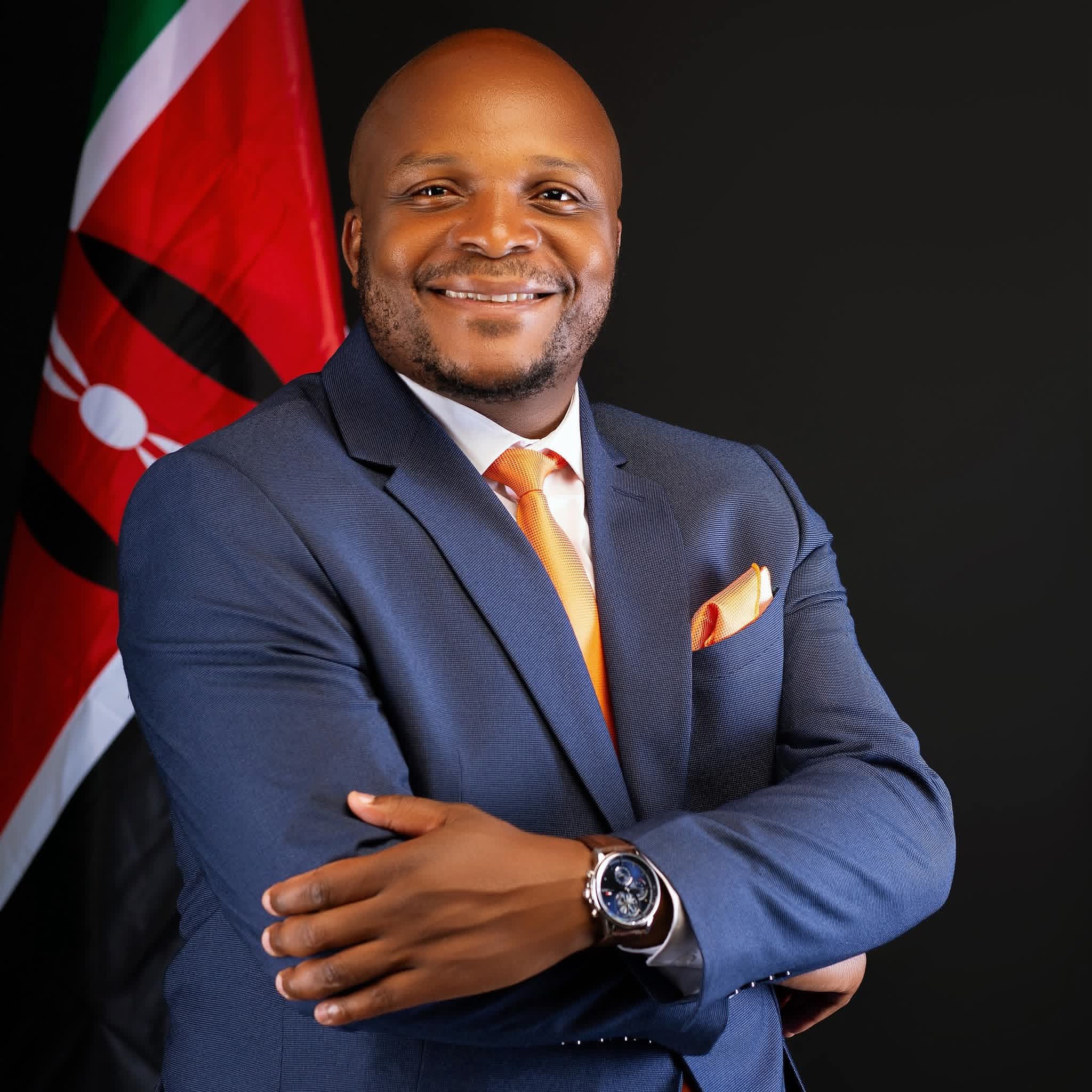
Lang’ata is no stranger to the experiment. In 2022, Kenyans elected Felix Odiwuor, popularly known as Jalang’o, as their Member of Parliament. A familiar face in comedy and entertainment, Jalang’o made the transition from the microphone to the political podium. His election demonstrated that a career in entertainment does not automatically disqualify someone from seeking public office.
But it also opened a bigger conversation: What exactly should voters look for when choosing their leaders?
Is popularity enough to win a political seat?
In Kenya, fame can be a powerful political asset. A comedian who has spent years making people laugh may already have the recognition, audience and communication skills that many politicians spend millions trying to build.
Erick Omondi and Abel Mutua are not strangers to the public. Their work in entertainment has earned them visibility, influence and the ability to connect with audiences. In a political environment where public recognition matters, those advantages could translate into political interest.
However, being loved by an audience is not the same as being trusted with public resources.
Making people laugh requires creativity, timing and an understanding of human behaviour. Representing a constituency requires a different set of responsibilities: scrutinising budgets, understanding legislation, holding the executive accountable and representing the interests of people whose needs extend far beyond entertainment.
The two worlds can overlap, but they are not interchangeable.
Has Lang’ata's experiment changed the conversation?
Jalang’o's election showed that voters can look beyond traditional political careers. But his victory should not be interpreted as proof that every celebrity would make an effective MP. Equally, a background in comedy should not be treated as evidence that someone cannot lead.
The real question is what an aspiring leader brings to the table.
What is their plan for unemployment? How will they address the cost of living, education, healthcare and poor public services? What legislative priorities would guide them? And how would they remain accountable after the excitement of the campaign fades?
These are questions that should confront every aspirant, whether they are comedians, businesspeople, lawyers, activists or career politicians.
The conversation around celebrities entering politics has taken an interesting turn following an interview on JKL Live, where comedians Erick Omondi and Abel Mutua discussed their political ambitions, including the possibility of becoming Members of Parliament.
Their ambitions raise a question worth asking: After Lang’ata gave a comedian a chance, would Kenyans willingly make the same gamble again?
Lang’ata is no stranger to the experiment. In 2022, Kenyans elected Felix Odiwuor, popularly known as Jalang’o, as their Member of Parliament. A familiar face in comedy and entertainment, Jalang’o made the transition from the microphone to the political podium. His election demonstrated that a career in entertainment does not automatically disqualify someone from seeking public office.
But it also opened a bigger conversation: What exactly should voters look for when choosing their leaders?
Is popularity enough to win a political seat?
In Kenya, fame can be a powerful political asset. A comedian who has spent years making people laugh may already have the recognition, audience and communication skills that many politicians spend millions trying to build.
Erick Omondi and Abel Mutua are not strangers to the public. Their work in entertainment has earned them visibility, influence and the ability to connect with audiences. In a political environment where public recognition matters, those advantages could translate into political interest.
However, being loved by an audience is not the same as being trusted with public resources.
Making people laugh requires creativity, timing and an understanding of human behaviour. Representing a constituency requires a different set of responsibilities: scrutinising budgets, understanding legislation, holding the executive accountable and representing the interests of people whose needs extend far beyond entertainment.
The two worlds can overlap, but they are not interchangeable.
Has Lang’ata's experiment changed the conversation?
Jalang’o's election showed that voters can look beyond traditional political careers. But his victory should not be interpreted as proof that every celebrity would make an effective MP. Equally, a background in comedy should not be treated as evidence that someone cannot lead.
The real question is what an aspiring leader brings to the table.
What is their plan for unemployment? How will they address the cost of living, education, healthcare and poor public services? What legislative priorities would guide them? And how would they remain accountable after the excitement of the campaign fades?
These are questions that should confront every aspirant, whether they are comedians, businesspeople, lawyers, activists or career politicians.