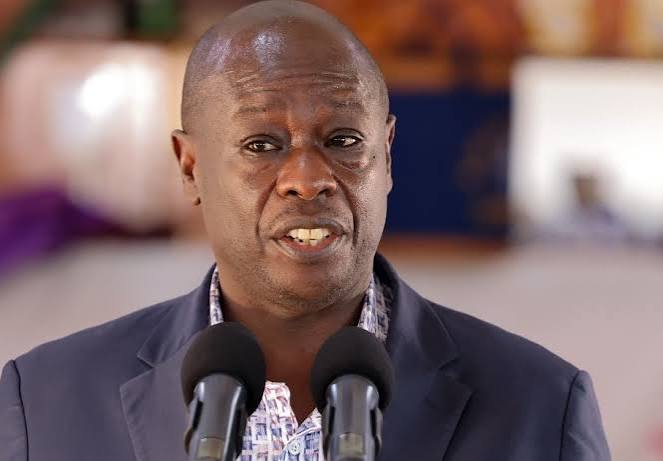
Former Deputy President Rigathi Gachagua has offered the opposition a political formula that could significantly shape the 2027 election: "Unite behind one presidential candidate, but allow parties to compete independently for the other elective seats."
His message to Mt Kenya political parties is essentially this: build your parties, strengthen your grassroots structures and stop complaining about political marginalization. But when it comes to the presidency, the opposition should ultimately unite behind one candidate.
It is a strategy that could strengthen the opposition while also creating new tensions.
A single presidential candidate could help prevent the opposition vote from being split. With several leaders potentially seeking the presidency, agreeing on one candidate could give the opposition a clearer path to challenge President William Ruto.
But Gachagua’s “every man for himself” approach for parliamentary, gubernatorial and other seats introduces a different dynamic.
Instead of forcing opposition parties into complete electoral cooperation, parties could compete against each other for MPs, governors, senators and other positions while maintaining a common presidential front.
That could make political parties more competitive. Leaders would have to build genuine grassroots support, recruit strong candidates and prove their ability to mobilize voters.
However, it could also create complicated alliances on the ground.
Imagine two parties supporting the same presidential candidate but fielding competing candidates for MP or governor. Their supporters would be united at the top of the ballot but divided further down.
That raises an important question: Can opposition parties cooperate at the presidential level while fiercely competing everywhere else?
For Gachagua, the approach could also strengthen Mt Kenya’s bargaining position. A region with several organized parties and strong candidates could negotiate with other political blocs from a position of strength rather than depending on one political vehicle.
Ultimately, Gachagua’s proposal is not necessarily about creating one opposition party.
It is about creating one presidential front and multiple political machines underneath it.
Whether that becomes a winning formula or another source of opposition fragmentation may depend on one thing: can political leaders put their presidential ambitions aside long enough to agree on one candidate?
That may be the opposition’s biggest test before 2027.
His message to Mt Kenya political parties is essentially this: build your parties, strengthen your grassroots structures and stop complaining about political marginalization. But when it comes to the presidency, the opposition should ultimately unite behind one candidate.
It is a strategy that could strengthen the opposition while also creating new tensions.
A single presidential candidate could help prevent the opposition vote from being split. With several leaders potentially seeking the presidency, agreeing on one candidate could give the opposition a clearer path to challenge President William Ruto.
But Gachagua’s “every man for himself” approach for parliamentary, gubernatorial and other seats introduces a different dynamic.
Instead of forcing opposition parties into complete electoral cooperation, parties could compete against each other for MPs, governors, senators and other positions while maintaining a common presidential front.
That could make political parties more competitive. Leaders would have to build genuine grassroots support, recruit strong candidates and prove their ability to mobilize voters.
However, it could also create complicated alliances on the ground.
Imagine two parties supporting the same presidential candidate but fielding competing candidates for MP or governor. Their supporters would be united at the top of the ballot but divided further down.
That raises an important question: Can opposition parties cooperate at the presidential level while fiercely competing everywhere else?
For Gachagua, the approach could also strengthen Mt Kenya’s bargaining position. A region with several organized parties and strong candidates could negotiate with other political blocs from a position of strength rather than depending on one political vehicle.
Ultimately, Gachagua’s proposal is not necessarily about creating one opposition party.
It is about creating one presidential front and multiple political machines underneath it.
Whether that becomes a winning formula or another source of opposition fragmentation may depend on one thing: can political leaders put their presidential ambitions aside long enough to agree on one candidate?
That may be the opposition’s biggest test before 2027.