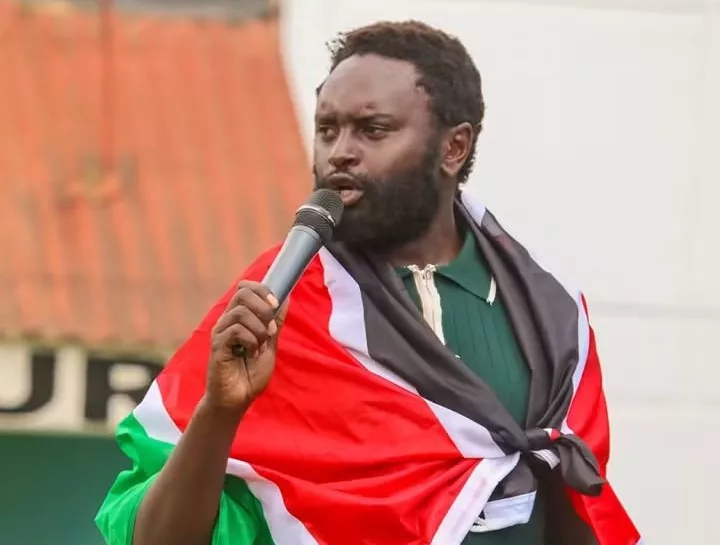
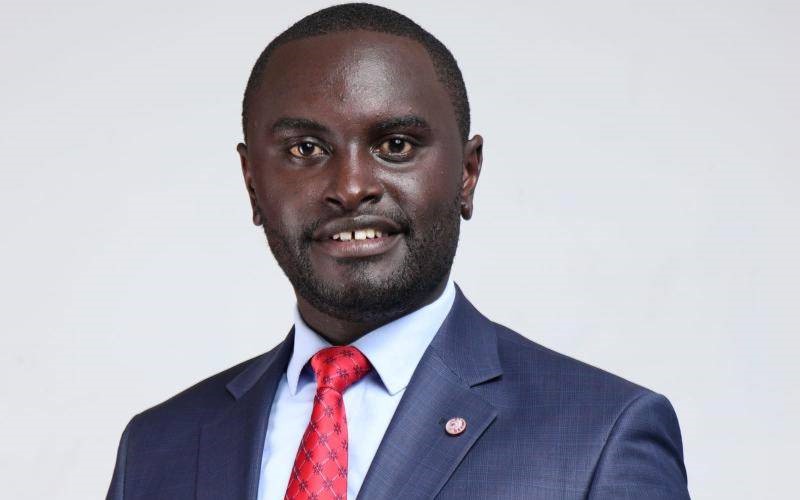
Did someone attempt to buy John Methu’s political loyalty, or is Kenya witnessing another battle to control the Mt. Kenya vote?
Nyandarua Senator John Methu has stirred political debate after making explosive claims about an alleged attempt to lure him away from the opposition and into a political arrangement that could eventually see him become President William Ruto’s running mate in the 2027 General Election.
During a recent television interview, Methu claimed that a government-linked individual approached him after the Democracy for the Citizens Party (DCP) won the Ol Kalou parliamentary by-election in July 2026. According to his account, the proposal involved establishing a new political party, recruiting candidates and receiving substantial financial support, including an alleged KSh 10 million weekly payment. <escape>These claims have not been independently established as fact.</escape>
The revelations have raised questions about political loyalty, campaign financing and the lengths to which political players may go to influence Kenya’s next election.
The Alleged Offer That Raised Eyebrows
According to Methu, the approach came shortly after DCP’s victory in Ol Kalou, a result that demonstrated the party’s ability to compete against candidates backed by the ruling establishment.
He alleges that he was encouraged to establish a separate political outfit and build his own political influence, with the possibility of eventually joining President Ruto’s 2027 presidential campaign as running mate.
Methu says he rejected the proposal and informed DCP leader Rigathi Gachagua.
If substantiated, the allegations would raise serious questions about the use of money and political inducements to influence elected leaders. However, the identity of the person behind the alleged approach, the source of the proposed funds and the existence of any formal arrangement remain matters requiring evidence.
Is Mt. Kenya the Real Prize?
Beyond the financial allegations lies a bigger political question: who will control the Mt. Kenya voting bloc in 2027?
The region remains strategically important because of its electoral influence. Political leaders seeking the presidency have strong incentives to build alliances there, while opposition figures have reasons to prevent their supporters from shifting back to the ruling camp.
Methu’s claims come at a time when political alignments are changing and parties are working to consolidate their regional support bases.
The senator has also argued that opposition leaders do not necessarily need to campaign from a single political centre. Instead, each leader can strengthen their support in their respective strongholds before coordinating their efforts against the incumbent. <escape>This strategy could strengthen the opposition, but its success would depend on whether the leaders can agree on a common candidate, shared priorities and a workable coalition.</escape>
What About Ndindi Nyoro?
Methu’s recent political remarks have also drawn attention to Kiharu MP Ndindi Nyoro and questions about his place in the evolving opposition landscape.
Reports have highlighted Methu’s suspicions about political efforts that could weaken opposition unity. Such accusations, however, should be distinguished from proven wrongdoing, and any individual named in political disputes deserves an opportunity to respond to specific claims.
The bigger issue is whether Kenya’s opposition can manage its internal disagreements without undermining its chances of mounting a credible challenge in 2027.
What Does This Mean for Kenyans?
For ordinary Kenyans, the most important question is not simply who becomes President or Deputy President. It is whether political negotiations translate into better leadership, jobs, affordable living costs, improved healthcare and accountable use of public resources.
If political figures are offered money or positions in exchange for changing sides, the public deserves clear answers. If the allegations cannot be substantiated, they should not automatically be treated as proof of corruption or a political conspiracy.
Kenya also needs transparent campaign financing and strong institutions capable of investigating credible allegations of electoral interference or improper inducements.
Political competition is normal in a democracy. Secret financial arrangements that undermine accountability, if they occur, are a different matter entirely.
The Bigger Question: Principles or Political Survival?
Methu’s account has placed him at the centre of a debate about political loyalty and the struggle for influence ahead of 2027.
But the ultimate test for any politician is not the number of offers they claim to have rejected, the size of their following or the strength of their attacks against opponents. It is whether they remain accountable to the people they represent.
As Kenya moves closer to the next General Election, voters should look beyond dramatic interviews and political accusations. They should demand evidence, scrutinise party manifestos and evaluate leaders based on their records.
**The question Kenyans should be asking is simple: will the 2027 election be decided by ideas and public service, or will money, political deals and the struggle for power take centre stage?
Nyandarua Senator John Methu has stirred political debate after making explosive claims about an alleged attempt to lure him away from the opposition and into a political arrangement that could eventually see him become President William Ruto’s running mate in the 2027 General Election.
During a recent television interview, Methu claimed that a government-linked individual approached him after the Democracy for the Citizens Party (DCP) won the Ol Kalou parliamentary by-election in July 2026. According to his account, the proposal involved establishing a new political party, recruiting candidates and receiving substantial financial support, including an alleged KSh 10 million weekly payment. <escape>These claims have not been independently established as fact.</escape>
The revelations have raised questions about political loyalty, campaign financing and the lengths to which political players may go to influence Kenya’s next election.
The Alleged Offer That Raised Eyebrows
According to Methu, the approach came shortly after DCP’s victory in Ol Kalou, a result that demonstrated the party’s ability to compete against candidates backed by the ruling establishment.
He alleges that he was encouraged to establish a separate political outfit and build his own political influence, with the possibility of eventually joining President Ruto’s 2027 presidential campaign as running mate.
Methu says he rejected the proposal and informed DCP leader Rigathi Gachagua.
If substantiated, the allegations would raise serious questions about the use of money and political inducements to influence elected leaders. However, the identity of the person behind the alleged approach, the source of the proposed funds and the existence of any formal arrangement remain matters requiring evidence.
Is Mt. Kenya the Real Prize?
Beyond the financial allegations lies a bigger political question: who will control the Mt. Kenya voting bloc in 2027?
The region remains strategically important because of its electoral influence. Political leaders seeking the presidency have strong incentives to build alliances there, while opposition figures have reasons to prevent their supporters from shifting back to the ruling camp.
Methu’s claims come at a time when political alignments are changing and parties are working to consolidate their regional support bases.
The senator has also argued that opposition leaders do not necessarily need to campaign from a single political centre. Instead, each leader can strengthen their support in their respective strongholds before coordinating their efforts against the incumbent. <escape>This strategy could strengthen the opposition, but its success would depend on whether the leaders can agree on a common candidate, shared priorities and a workable coalition.</escape>
What About Ndindi Nyoro?
Methu’s recent political remarks have also drawn attention to Kiharu MP Ndindi Nyoro and questions about his place in the evolving opposition landscape.
Reports have highlighted Methu’s suspicions about political efforts that could weaken opposition unity. Such accusations, however, should be distinguished from proven wrongdoing, and any individual named in political disputes deserves an opportunity to respond to specific claims.
The bigger issue is whether Kenya’s opposition can manage its internal disagreements without undermining its chances of mounting a credible challenge in 2027.
What Does This Mean for Kenyans?
For ordinary Kenyans, the most important question is not simply who becomes President or Deputy President. It is whether political negotiations translate into better leadership, jobs, affordable living costs, improved healthcare and accountable use of public resources.
If political figures are offered money or positions in exchange for changing sides, the public deserves clear answers. If the allegations cannot be substantiated, they should not automatically be treated as proof of corruption or a political conspiracy.
Kenya also needs transparent campaign financing and strong institutions capable of investigating credible allegations of electoral interference or improper inducements.
Political competition is normal in a democracy. Secret financial arrangements that undermine accountability, if they occur, are a different matter entirely.
The Bigger Question: Principles or Political Survival?
Methu’s account has placed him at the centre of a debate about political loyalty and the struggle for influence ahead of 2027.
But the ultimate test for any politician is not the number of offers they claim to have rejected, the size of their following or the strength of their attacks against opponents. It is whether they remain accountable to the people they represent.
As Kenya moves closer to the next General Election, voters should look beyond dramatic interviews and political accusations. They should demand evidence, scrutinise party manifestos and evaluate leaders based on their records.
**The question Kenyans should be asking is simple: will the 2027 election be decided by ideas and public service, or will money, political deals and the struggle for power take centre stage?