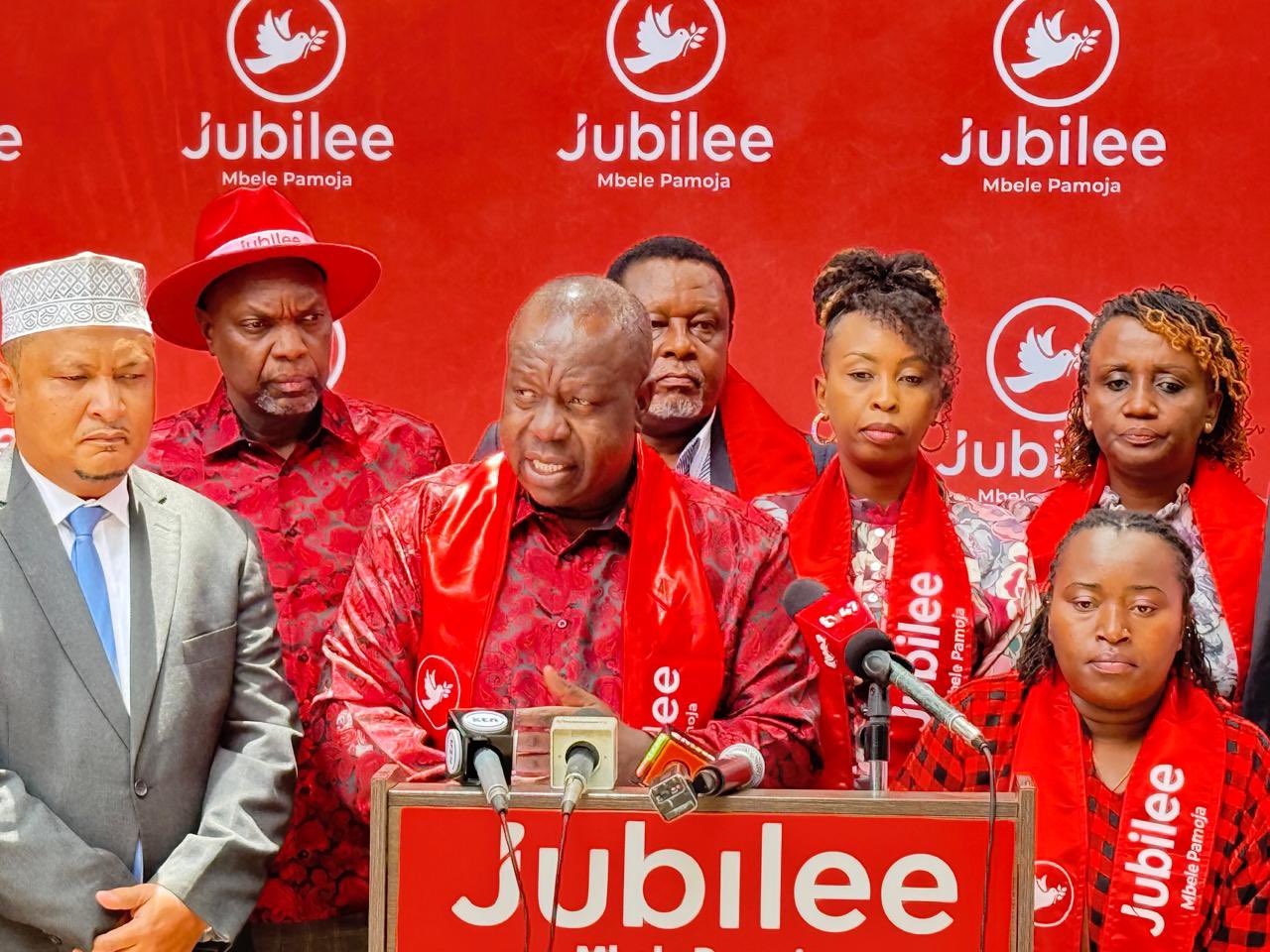
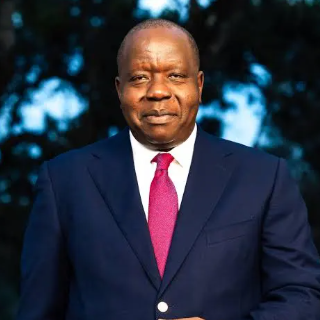
The succession battle within Jubilee Party has exposed fresh divisions in a political outfit that once dominated Kenya's political landscape. With former President Uhuru Kenyatta preparing to relinquish the party leadership, factions associated with Fred Matiang'i and Jeremiah Kioni are now at the centre of a contest over the party's future.
What initially appeared to be a leadership transition has quickly become a test of internal democracy, political influence and the direction Jubilee will take ahead of the 2027 General Election.
The Uhuru succession question
The High Court ruling requiring retired presidents to relinquish formal leadership positions in political parties has opened the way for Uhuru Kenyatta to hand over the Jubilee leadership.
Kenyatta has said the transition should follow the party constitution. That position has created the basis for a contest over who should take charge of the organisation he helped build and lead.
Kioni has publicly offered himself for the party leadership, insisting that the position should be determined through Jubilee's established democratic structures and the National Delegates Convention.
His argument is straightforward: leadership of a political party should not simply be transferred through an informal agreement between a few individuals.
But this is where the political calculations become complicated.
Kioni versus Matiang'i: Two positions, one party
Both Jeremiah Kioni and Fred Matiang'i hold deputy leadership positions within Jubilee. Matiang'i is also the party's 2027 presidential candidate.
The emergence of Kioni as a contender for the top party position has therefore introduced a question that Jubilee must confront: Should the party leader and the presidential candidate necessarily be the same person?
Kioni's position, as reported by the Daily Nation and The Star, is that the two offices are not automatically interchangeable. He has argued that the party leader should be elected by delegates.
Matiang'i's political standing and presidential candidacy, meanwhile, have made him a central figure in Jubilee's preparations for 2027.
This does not, by itself, establish that the two leaders are personally opposed on every issue. However, their competing positions in the succession debate have created two important centres of attention within the party.
The question is no longer simply who will succeed Uhuru Kenyatta. It is also how Jubilee will organise its leadership around the presidential campaign.
Beyond personalities: What is at stake?
Political parties are often discussed through the individuals who lead them. But behind every major party leadership contest are structures, resources and organisational responsibilities.
Jubilee's leadership dispute has been linked to control of its political machinery, assets and finances.
According to reporting by the Daily Nation, Jubilee received more than Sh2.77 billion from the Political Parties Fund over five financial years between 2017/18 and 2021/22. Its allocation for 2026/27 was reported at Sh128.86 million.
These figures provide context for the institutional importance of party leadership. They do not, however, prove that any individual is motivated by money.
A party leader also has influence over organisational priorities, grassroots mobilisation, political negotiations and the public identity of the party.
For a party preparing for an election, those responsibilities matter.
The danger of internal division
Jubilee is not entering this contest from a position of complete organisational stability.
The party has experienced leadership disputes and disagreements over officials. The Political Parties Disputes Tribunal recently nullified the appointment of Moitalel Ole Kenta as Secretary-General, adding another organisational issue to the party's transition.
The latest succession battle therefore comes at a time when Jubilee must address both its internal structures and its wider political strategy.
The challenge is not unusual in politics. Whenever a long-serving party leader leaves, competing interests emerge over who should take over and what direction the organisation should follow.
The question is how those differences are managed.
A leadership contest conducted through transparent and recognised party procedures can give members a role in determining the future of their organisation. A contest dominated by accusations, competing claims and unresolved disputes risks leaving members uncertain about who speaks for the party.
What about the opposition coalition?
The Jubilee dispute also has implications beyond the party itself.
Jubilee has been part of the opposition's political calculations ahead of 2027, while Matiang'i's presidential candidacy has placed the party within discussions about the wider opposition's leadership and coalition arrangements.
Kioni has publicly criticised disagreements within opposition ranks, including disputes involving other opposition leaders. Reporting by The Star and Nairobi Wire has documented his calls for a more organised approach to opposition politics.
However, the internal Jubilee succession contest and the broader opposition presidential question are not identical issues.
Jubilee must first resolve who has the authority to lead the party. The wider opposition must separately address how its presidential candidates, parties and coalition structures will work together.
How these questions are eventually handled remains open.
What should Jubilee members be asking?
The current dispute offers an opportunity for Jubilee members and supporters to look beyond individual loyalties.
They should be asking:
Who has the legitimate mandate to lead the party?
The answer should come from the party's constitution and recognised electoral procedures.
What is the party's political direction?
Leadership is not only about occupying an office. It is also about defining what the party represents and how it intends to serve its members and the public.
How will the party prepare for 2027?
The electoral calendar requires parties to organise their structures, nominations and campaign operations. Internal disagreements should be addressed in a way that allows the party to fulfil those responsibilities.
What role will members play?
A party that relies only on prominent individuals risks weakening the participation of its grassroots membership.
The bigger question: Can Jubilee manage its transition?
The struggle between factions associated with Matiang'i and Kioni is a reminder that political parties are institutions, not merely vehicles for individual ambitions.
Jubilee's history, its former position in government and its continuing role in opposition politics make its leadership transition significant.
But the party's future will depend on more than who succeeds Uhuru Kenyatta.
It will depend on whether its members accept the process, whether its leadership can work together and whether the organisation can develop a clear political direction ahead of 2027.
The succession contest is still unfolding. The final outcome will be determined by the party's formal processes and the decisions of its members and delegates.
For now, Jubilee faces a defining organisational moment.
The question is not simply who wants to lead Jubilee.
The question is whether Jubilee can resolve its internal power struggles without losing sight of the people and political purpose it claims to represent.
What initially appeared to be a leadership transition has quickly become a test of internal democracy, political influence and the direction Jubilee will take ahead of the 2027 General Election.
The Uhuru succession question
The High Court ruling requiring retired presidents to relinquish formal leadership positions in political parties has opened the way for Uhuru Kenyatta to hand over the Jubilee leadership.
Kenyatta has said the transition should follow the party constitution. That position has created the basis for a contest over who should take charge of the organisation he helped build and lead.
Kioni has publicly offered himself for the party leadership, insisting that the position should be determined through Jubilee's established democratic structures and the National Delegates Convention.
His argument is straightforward: leadership of a political party should not simply be transferred through an informal agreement between a few individuals.
But this is where the political calculations become complicated.
Kioni versus Matiang'i: Two positions, one party
Both Jeremiah Kioni and Fred Matiang'i hold deputy leadership positions within Jubilee. Matiang'i is also the party's 2027 presidential candidate.
The emergence of Kioni as a contender for the top party position has therefore introduced a question that Jubilee must confront: Should the party leader and the presidential candidate necessarily be the same person?
Kioni's position, as reported by the Daily Nation and The Star, is that the two offices are not automatically interchangeable. He has argued that the party leader should be elected by delegates.
Matiang'i's political standing and presidential candidacy, meanwhile, have made him a central figure in Jubilee's preparations for 2027.
This does not, by itself, establish that the two leaders are personally opposed on every issue. However, their competing positions in the succession debate have created two important centres of attention within the party.
The question is no longer simply who will succeed Uhuru Kenyatta. It is also how Jubilee will organise its leadership around the presidential campaign.
Beyond personalities: What is at stake?
Political parties are often discussed through the individuals who lead them. But behind every major party leadership contest are structures, resources and organisational responsibilities.
Jubilee's leadership dispute has been linked to control of its political machinery, assets and finances.
According to reporting by the Daily Nation, Jubilee received more than Sh2.77 billion from the Political Parties Fund over five financial years between 2017/18 and 2021/22. Its allocation for 2026/27 was reported at Sh128.86 million.
These figures provide context for the institutional importance of party leadership. They do not, however, prove that any individual is motivated by money.
A party leader also has influence over organisational priorities, grassroots mobilisation, political negotiations and the public identity of the party.
For a party preparing for an election, those responsibilities matter.
The danger of internal division
Jubilee is not entering this contest from a position of complete organisational stability.
The party has experienced leadership disputes and disagreements over officials. The Political Parties Disputes Tribunal recently nullified the appointment of Moitalel Ole Kenta as Secretary-General, adding another organisational issue to the party's transition.
The latest succession battle therefore comes at a time when Jubilee must address both its internal structures and its wider political strategy.
The challenge is not unusual in politics. Whenever a long-serving party leader leaves, competing interests emerge over who should take over and what direction the organisation should follow.
The question is how those differences are managed.
A leadership contest conducted through transparent and recognised party procedures can give members a role in determining the future of their organisation. A contest dominated by accusations, competing claims and unresolved disputes risks leaving members uncertain about who speaks for the party.
What about the opposition coalition?
The Jubilee dispute also has implications beyond the party itself.
Jubilee has been part of the opposition's political calculations ahead of 2027, while Matiang'i's presidential candidacy has placed the party within discussions about the wider opposition's leadership and coalition arrangements.
Kioni has publicly criticised disagreements within opposition ranks, including disputes involving other opposition leaders. Reporting by The Star and Nairobi Wire has documented his calls for a more organised approach to opposition politics.
However, the internal Jubilee succession contest and the broader opposition presidential question are not identical issues.
Jubilee must first resolve who has the authority to lead the party. The wider opposition must separately address how its presidential candidates, parties and coalition structures will work together.
How these questions are eventually handled remains open.
What should Jubilee members be asking?
The current dispute offers an opportunity for Jubilee members and supporters to look beyond individual loyalties.
They should be asking:
Who has the legitimate mandate to lead the party?
The answer should come from the party's constitution and recognised electoral procedures.
What is the party's political direction?
Leadership is not only about occupying an office. It is also about defining what the party represents and how it intends to serve its members and the public.
How will the party prepare for 2027?
The electoral calendar requires parties to organise their structures, nominations and campaign operations. Internal disagreements should be addressed in a way that allows the party to fulfil those responsibilities.
What role will members play?
A party that relies only on prominent individuals risks weakening the participation of its grassroots membership.
The bigger question: Can Jubilee manage its transition?
The struggle between factions associated with Matiang'i and Kioni is a reminder that political parties are institutions, not merely vehicles for individual ambitions.
Jubilee's history, its former position in government and its continuing role in opposition politics make its leadership transition significant.
But the party's future will depend on more than who succeeds Uhuru Kenyatta.
It will depend on whether its members accept the process, whether its leadership can work together and whether the organisation can develop a clear political direction ahead of 2027.
The succession contest is still unfolding. The final outcome will be determined by the party's formal processes and the decisions of its members and delegates.
For now, Jubilee faces a defining organisational moment.
The question is not simply who wants to lead Jubilee.
The question is whether Jubilee can resolve its internal power struggles without losing sight of the people and political purpose it claims to represent.