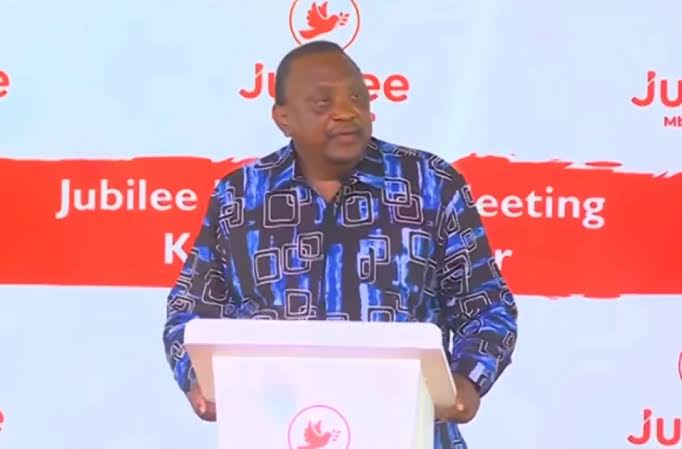
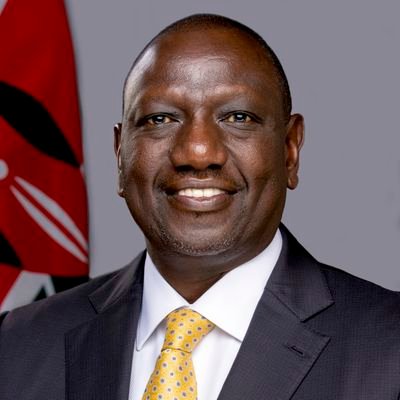
For a man who left State House in 2022, Uhuru Kenyatta has never really left Kenya’s politics.
He may have stepped away from the presidency, but his name continues to surface whenever alliances shift, politicians cross political lines and the 2027 election conversation intensifies.
Now, the former president has received a significant legal opening.
On September 21, 2026, High Court Justice Bahati Mwamuye declared unconstitutional the section of the Presidential Retirement Benefits Act that restricted retired presidents from holding political party office. The ruling effectively clears the legal path for former presidents to participate actively in politics.
For Uhuru Kenyatta, this changes the political equation.
And perhaps that is why the old political ghost is becoming visible again.
THE GHOST HAS RETURNED
There is something almost ironic about Uhuru's political return.
For years, President William Ruto and his allies have accused the former president of remaining behind the opposition's political activities.
Ruto has publicly questioned how Uhuru could defeat him politically now when, according to the President, he failed to do so while he was still in office. Ruto has also accused Uhuru of using other politicians to challenge his administration.
Uhuru, however, has previously rejected the suggestion that he was seeking to return to elective politics.
The court ruling changes one important thing: whatever political role Uhuru chooses to play now has a clearer legal foundation.
That does not mean he will run for office.
It does not mean he will lead a presidential campaign.
But it means he cannot simply be written out of the political conversation.
AND THEN THERE IS JUBILEE
There is another interesting twist.
Just days before the September 21 ruling, Uhuru had agreed to relinquish his position as Jubilee Party leader following an earlier High Court decision that had interpreted the law as preventing retired presidents from holding party leadership positions beyond six months after leaving State House.
The two September judgments have therefore produced conflicting legal positions on the political role of retired presidents.
The latest ruling from Justice Mwamuye has now invalidated Section 6 of the Act.
That could reopen questions about Uhuru's formal role in Jubilee and, more broadly, his place within Kenya's opposition politics.
WHAT DOES THIS MEAN FOR RUTO?
The answer is not simply that Uhuru's return hurts Ruto.
Politics is more complicated than that.
But it does introduce another powerful political actor into an already fluid 2027 environment.
1. MOUNT KENYA BECOMES EVEN MORE IMPORTANT
Uhuru remains a former president who governed Kenya for ten years and whose political career is deeply connected to the Mount Kenya region.
His return could give politicians in the region another centre of political consultation.
Whether that translates into votes is a different question.
Voters are not political property, and Uhuru's influence in 2027 cannot simply be assumed from his previous electoral performance.
2. THE RUTO-UHURU STORY IS NOT OVER
The relationship between the two men is one of the defining political stories of the last decade.
They campaigned together in 2013 and 2017.
They later fell out.
Uhuru backed Raila Odinga in 2022, while Ruto campaigned against the political establishment associated with his former boss.
Four years later, the rivalry is resurfacing.
Recent public exchanges show that both sides are once again talking about each other, with Ruto and his allies openly criticising Uhuru's alleged involvement in opposition politics.
That alone demonstrates that Uhuru's political presence remains relevant to the administration.
3. OPPOSITION UNITY COULD BECOME MORE COMPLICATED
Kenya's opposition is already undergoing negotiations and realignments ahead of 2027.
Different leaders and formations are exploring how to work together against the Kenya Kwanza administration.
Uhuru's return adds another variable.
He could participate as a former president.
He could act as a political negotiator.
He could support particular candidates or alliances.
Or he could remain largely behind the scenes.
The court ruling gives him more room to choose.
BUT HERE IS THE BIG QUESTION
Does Uhuru still have the political machinery to make his return meaningful?
That is something only the coming months can demonstrate.
Political influence is not automatically inherited from a presidency.
A former president can have enormous symbolic influence and still struggle to translate it into votes.
At the same time, an individual does not need to run for office to influence an election.
Sometimes the person on the campaign stage matters less than the person sitting at the table when alliances are negotiated.
That may be where Uhuru's significance lies.
THE GHOST DOES NOT HAVE TO RUN
Perhaps the biggest mistake would be to interpret the court ruling as meaning Uhuru 2027.
That has not been established.
The more interesting possibility is that Uhuru becomes an important political figure without being a presidential candidate.
He could influence conversations around alliances, party organisation, opposition coordination and the political direction of Mount Kenya.
And that creates an uncomfortable question for Ruto:
How do you campaign against a former president who does not necessarily need to be the candidate?
Ruto remains the sitting president and is already building his political case for 2027.
But now the political environment contains another familiar figure, one whose political history is directly connected to Ruto's own rise.
THE GHOST OF GARBATULA
The phrase The Ghost of Garbatula may therefore describe something bigger than Uhuru himself.
It represents the return of unfinished political battles.
The alliances that collapsed.
The promises that were never fulfilled.
The friendships that became rivalries.
And the political networks that many assumed had disappeared after 2022.
Uhuru may not be returning to State House.
But the court has made it clear that leaving State House does not mean leaving politics.
And as 2027 approaches, one thing is becoming increasingly clear:
The Ruto-Uhuru chapter may have ended in State House but politically, the story is still being written.
He may have stepped away from the presidency, but his name continues to surface whenever alliances shift, politicians cross political lines and the 2027 election conversation intensifies.
Now, the former president has received a significant legal opening.
On September 21, 2026, High Court Justice Bahati Mwamuye declared unconstitutional the section of the Presidential Retirement Benefits Act that restricted retired presidents from holding political party office. The ruling effectively clears the legal path for former presidents to participate actively in politics.
For Uhuru Kenyatta, this changes the political equation.
And perhaps that is why the old political ghost is becoming visible again.
THE GHOST HAS RETURNED
There is something almost ironic about Uhuru's political return.
For years, President William Ruto and his allies have accused the former president of remaining behind the opposition's political activities.
Ruto has publicly questioned how Uhuru could defeat him politically now when, according to the President, he failed to do so while he was still in office. Ruto has also accused Uhuru of using other politicians to challenge his administration.
Uhuru, however, has previously rejected the suggestion that he was seeking to return to elective politics.
The court ruling changes one important thing: whatever political role Uhuru chooses to play now has a clearer legal foundation.
That does not mean he will run for office.
It does not mean he will lead a presidential campaign.
But it means he cannot simply be written out of the political conversation.
AND THEN THERE IS JUBILEE
There is another interesting twist.
Just days before the September 21 ruling, Uhuru had agreed to relinquish his position as Jubilee Party leader following an earlier High Court decision that had interpreted the law as preventing retired presidents from holding party leadership positions beyond six months after leaving State House.
The two September judgments have therefore produced conflicting legal positions on the political role of retired presidents.
The latest ruling from Justice Mwamuye has now invalidated Section 6 of the Act.
That could reopen questions about Uhuru's formal role in Jubilee and, more broadly, his place within Kenya's opposition politics.
WHAT DOES THIS MEAN FOR RUTO?
The answer is not simply that Uhuru's return hurts Ruto.
Politics is more complicated than that.
But it does introduce another powerful political actor into an already fluid 2027 environment.
1. MOUNT KENYA BECOMES EVEN MORE IMPORTANT
Uhuru remains a former president who governed Kenya for ten years and whose political career is deeply connected to the Mount Kenya region.
His return could give politicians in the region another centre of political consultation.
Whether that translates into votes is a different question.
Voters are not political property, and Uhuru's influence in 2027 cannot simply be assumed from his previous electoral performance.
2. THE RUTO-UHURU STORY IS NOT OVER
The relationship between the two men is one of the defining political stories of the last decade.
They campaigned together in 2013 and 2017.
They later fell out.
Uhuru backed Raila Odinga in 2022, while Ruto campaigned against the political establishment associated with his former boss.
Four years later, the rivalry is resurfacing.
Recent public exchanges show that both sides are once again talking about each other, with Ruto and his allies openly criticising Uhuru's alleged involvement in opposition politics.
That alone demonstrates that Uhuru's political presence remains relevant to the administration.
3. OPPOSITION UNITY COULD BECOME MORE COMPLICATED
Kenya's opposition is already undergoing negotiations and realignments ahead of 2027.
Different leaders and formations are exploring how to work together against the Kenya Kwanza administration.
Uhuru's return adds another variable.
He could participate as a former president.
He could act as a political negotiator.
He could support particular candidates or alliances.
Or he could remain largely behind the scenes.
The court ruling gives him more room to choose.
BUT HERE IS THE BIG QUESTION
Does Uhuru still have the political machinery to make his return meaningful?
That is something only the coming months can demonstrate.
Political influence is not automatically inherited from a presidency.
A former president can have enormous symbolic influence and still struggle to translate it into votes.
At the same time, an individual does not need to run for office to influence an election.
Sometimes the person on the campaign stage matters less than the person sitting at the table when alliances are negotiated.
That may be where Uhuru's significance lies.
THE GHOST DOES NOT HAVE TO RUN
Perhaps the biggest mistake would be to interpret the court ruling as meaning Uhuru 2027.
That has not been established.
The more interesting possibility is that Uhuru becomes an important political figure without being a presidential candidate.
He could influence conversations around alliances, party organisation, opposition coordination and the political direction of Mount Kenya.
And that creates an uncomfortable question for Ruto:
How do you campaign against a former president who does not necessarily need to be the candidate?
Ruto remains the sitting president and is already building his political case for 2027.
But now the political environment contains another familiar figure, one whose political history is directly connected to Ruto's own rise.
THE GHOST OF GARBATULA
The phrase The Ghost of Garbatula may therefore describe something bigger than Uhuru himself.
It represents the return of unfinished political battles.
The alliances that collapsed.
The promises that were never fulfilled.
The friendships that became rivalries.
And the political networks that many assumed had disappeared after 2022.
Uhuru may not be returning to State House.
But the court has made it clear that leaving State House does not mean leaving politics.
And as 2027 approaches, one thing is becoming increasingly clear:
The Ruto-Uhuru chapter may have ended in State House but politically, the story is still being written.