There is something deeply troubling about the idea that a person entrusted with making laws could allegedly take someone else's property inside the very institution where those laws are made.
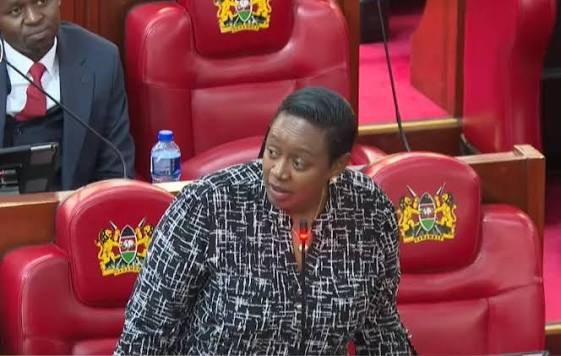
Kenya's National Assembly is facing an uncomfortable conversation after Speaker Moses Wetang'ula revealed that CCTV footage captured a Member of Parliament pocketing a colleague's mobile phone during a heated confrontation inside Parliament.
And perhaps what makes the incident even more disturbing is what reportedly happened afterwards: when confronted with the CCTV footage, the legislator allegedly denied taking the phone, even after being shown the recording.
A Phone, A CCTV Camera and an Uncomfortable Revelation
The incident dates back to June 8, 2023, during a chaotic parliamentary confrontation surrounding nominated MP Sabina Chege's position as Deputy Minority Whip.
On November 24, 2026, Speaker Wetang'ula disclosed that he had reviewed CCTV footage alongside Majority Leader Kimani Ichung'wah and other legislators. According to his account, the recording showed a member picking up another legislator's phone and putting it in their pocket.
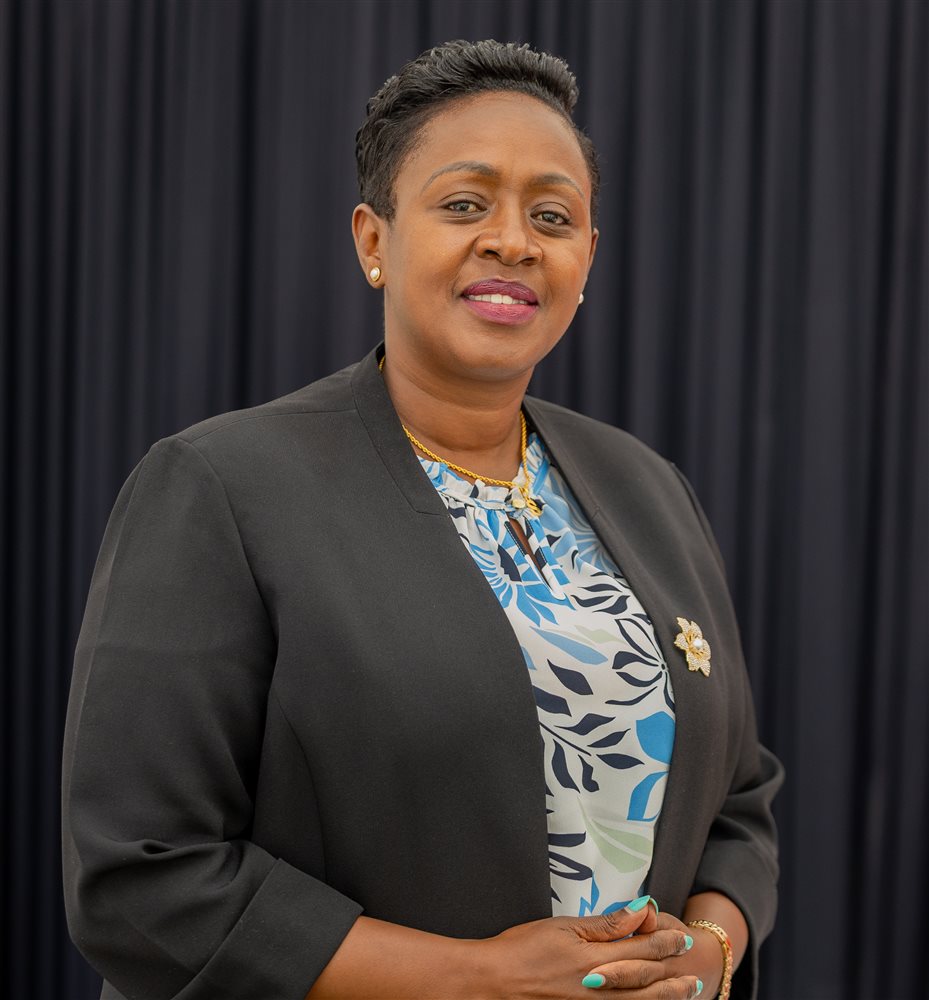
The following day, Sabina Chege identified herself as the person whose phone had disappeared. She said she had reported the matter to parliamentary authorities and police but had never recovered the device.
She further explained that she attempted to track the phone, which reportedly moved from Parliament towards the Bunge Towers area before its location was traced to Donholm.
Her appeal to the Speaker was straightforward: identify the person captured in the footage or ensure that her phone is returned.
However, the Speaker has cautioned against prematurely describing the incident as theft before the relevant parliamentary committee examines the footage.
The Bigger Problem Is Not the Phone
Let's put the value of the phone aside for a moment.
What happens when people entrusted with protecting public interests cannot demonstrate accountability among themselves?
Parliament is not just another workplace. It is an institution where laws are debated, public resources are scrutinized, government officials are held accountable and the rights of citizens are represented.
The conduct of its members matters because leadership is not measured by speeches alone. It is also reflected in everyday decisions, personal integrity and respect for other people's property.
If a phone can allegedly disappear during parliamentary proceedings, and CCTV footage reportedly exists but the matter remains unresolved for more than three years, Kenyans have every reason to ask questions about institutional accountability.
Why has it taken this long to address the matter? What happened to the original complaint? And what consequences follow if the committee establishes that a member deliberately took another person's property?
Parliament Must Lead by Example
Speaker Wetang'ula has directed that the CCTV footage be examined by the House Powers and Privileges Committee, with another member appointed to oversee the process in his place.
This is an opportunity for Parliament to demonstrate that accountability is not a principle reserved for ordinary citizens.
The identity of the legislator has not been officially disclosed, and the committee's findings should determine what actually happened.
But there is another important issue: public trust.
Kenyans are already demanding accountability from institutions responsible for managing public resources and enforcing the law. Incidents like this only create more questions about the standards expected of those occupying public office.
A Question for Kenyans
Imagine an ordinary Kenyan being captured on CCTV taking another person's phone, then denying it despite being confronted with the footage.
Would the matter receive the same level of patience and institutional consideration?
Perhaps that is the uncomfortable question this incident leaves behind.
Parliament must not become an institution where titles provide protection from accountability.
The question is no longer just about who took Sabina Chege's phone. It is about whether integrity, responsibility and accountability apply equally to those who make the laws and those expected to obey them.
Because if the people making the rules cannot demonstrate respect for them, what example are they setting for the country?