The helicopter crash that killed Zimbabwean businessman Wicknell Chivayo and his wife has brought a sudden end to one of the most visible and controversial business personalities in Southern Africa and reopened questions about the networks of wealth, business and political power surrounding him.
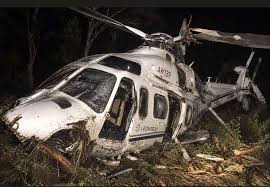
On Wednesday evening, September 30, 2026, a helicopter carrying six people crashed in the Marondera Rural area, east of Zimbabwe's capital, Harare.
There were no survivors.
Among those killed were businessman Wicknell Chivayo and his wife, Lucy Muteke according to Chivayo's family. Zimbabwean authorities confirmed that the aircraft had six occupants and that investigations into the crash were continuing. The cause of the accident had not been established at the time of reporting.
The tragedy has therefore left behind not only grieving families, but also a number of unanswered questions.
From businessman to one of Africa's most recognisable social figures
Chivayo was not an ordinary businessman.
He built a public identity around business, luxury, philanthropy, celebrity relationships and proximity to some of Africa's most powerful political figures.
He was the founder of Intratrek Zimbabwe, a company involved in energy and infrastructure projects, including the long-delayed Gwanda Solar Project. His business activities made him a prominent figure in Zimbabwe's commercial circles.
But it was his lifestyle and public relationships that made him particularly recognisable.
Chivayo frequently displayed luxury vehicles, expensive gifts and high-profile meetings on social media. His public appearances with politicians, celebrities and other influential personalities helped create an image of extraordinary access and wealth.
That visibility also came with scrutiny.
His business and political connections had attracted allegations and questions concerning public procurement and political financing. Those allegations were contested, and Chivayo denied wrongdoing.
Why Kenya is watching
For Kenyans, the story has another dimension.
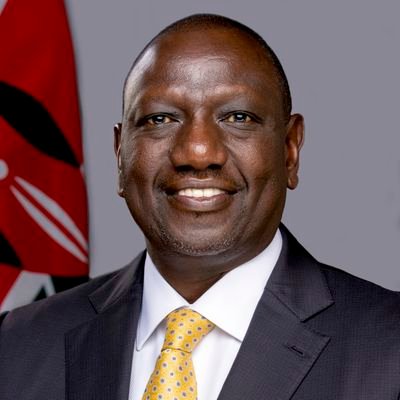
Chivayo had developed a highly visible relationship with President William Ruto. His visits to Kenya and appearances alongside the President had made him a familiar figure in Kenyan political and business conversations.
In August 2026, Chivayo shared footage of Ruto personally driving him and his wife to a waiting helicopter after attending the traditional engagement ceremony of Ruto's daughter, Charlene, in Kilgoris, Narok County.
His relationship with Ruto became sufficiently prominent that his death immediately drew a personal message from the Kenyan President.
Ruto described Chivayo as a "dear friend", saying he would remember him for his friendship, energy and belief in Africa's potential. He also extended condolences to the families of all those who died and to the people of Zimbabwe.
The President's response has inevitably placed the tragedy within a wider Kenyan conversation about the relationships between political leaders and wealthy business personalities from across Africa.
The unanswered question
For now, the most important question is also the one that does not yet have an answer:
What caused the helicopter to crash?
Zimbabwean authorities have confirmed the accident and the deaths, but the cause had not been established when the initial reports were released.
That distinction matters.
A tragedy involving a prominent businessman will naturally generate speculation, particularly when the individual had a highly publicised life and connections to powerful people. But speculation is not evidence.
The investigation will have to establish what happened before conclusions can responsibly be drawn.
A life that moved between business and influence
Chivayo's story also reflects a wider African phenomenon: the growing visibility of businessmen whose worlds overlap with politics, entertainment, philanthropy and social media.
His public life was built not only around the companies he was associated with, but also around the relationships he displayed.
He was photographed with several African leaders and became known for his interactions with prominent figures across the continent.
That is part of what makes his sudden death so striking.
One day, a man can be appearing alongside presidents, discussing investments, displaying extraordinary wealth and planning future business ventures.
The next day, the conversation is about his final journey.
Beyond the headlines
There is a temptation whenever a famous person dies suddenly to reduce their life to their wealth, controversies or political connections.
But six people died in the helicopter.
Chivayo and his wife were two of them.
Four other lives were also lost.
Their families are now dealing with the same irreversible reality , regardless of wealth, status or public visibility.
For Chivayo, however, the questions surrounding his legacy will probably continue long after the crash investigation is complete.
What will happen to his businesses?
What happens to the projects he was pursuing?
What becomes of the relationships and networks he built across Africa?
And how will history remember a businessman whose life became closely associated with extraordinary wealth, public generosity, political access and controversy?
Those questions cannot be answered in the immediate aftermath of a tragedy.
For now, Zimbabwe mourns.
Kenya watches closely because of the relationship Chivayo developed with President Ruto.
And investigators must establish what happened in the skies above Marondera.
Wicknell Chivayo's life was built in public. His death has happened just as publicly , but the full story of what happened on that final flight is still waiting to be told.
On Wednesday evening, September 30, 2026, a helicopter carrying six people crashed in the Marondera Rural area, east of Zimbabwe's capital, Harare.
There were no survivors.
Among those killed were businessman Wicknell Chivayo and his wife, Lucy Muteke according to Chivayo's family. Zimbabwean authorities confirmed that the aircraft had six occupants and that investigations into the crash were continuing. The cause of the accident had not been established at the time of reporting.
The tragedy has therefore left behind not only grieving families, but also a number of unanswered questions.
From businessman to one of Africa's most recognisable social figures
Chivayo was not an ordinary businessman.
He built a public identity around business, luxury, philanthropy, celebrity relationships and proximity to some of Africa's most powerful political figures.
He was the founder of Intratrek Zimbabwe, a company involved in energy and infrastructure projects, including the long-delayed Gwanda Solar Project. His business activities made him a prominent figure in Zimbabwe's commercial circles.
But it was his lifestyle and public relationships that made him particularly recognisable.
Chivayo frequently displayed luxury vehicles, expensive gifts and high-profile meetings on social media. His public appearances with politicians, celebrities and other influential personalities helped create an image of extraordinary access and wealth.
That visibility also came with scrutiny.
His business and political connections had attracted allegations and questions concerning public procurement and political financing. Those allegations were contested, and Chivayo denied wrongdoing.
Why Kenya is watching
For Kenyans, the story has another dimension.
Chivayo had developed a highly visible relationship with President William Ruto. His visits to Kenya and appearances alongside the President had made him a familiar figure in Kenyan political and business conversations.
In August 2026, Chivayo shared footage of Ruto personally driving him and his wife to a waiting helicopter after attending the traditional engagement ceremony of Ruto's daughter, Charlene, in Kilgoris, Narok County.
His relationship with Ruto became sufficiently prominent that his death immediately drew a personal message from the Kenyan President.
Ruto described Chivayo as a "dear friend", saying he would remember him for his friendship, energy and belief in Africa's potential. He also extended condolences to the families of all those who died and to the people of Zimbabwe.
The President's response has inevitably placed the tragedy within a wider Kenyan conversation about the relationships between political leaders and wealthy business personalities from across Africa.
The unanswered question
For now, the most important question is also the one that does not yet have an answer:
What caused the helicopter to crash?
Zimbabwean authorities have confirmed the accident and the deaths, but the cause had not been established when the initial reports were released.
That distinction matters.
A tragedy involving a prominent businessman will naturally generate speculation, particularly when the individual had a highly publicised life and connections to powerful people. But speculation is not evidence.
The investigation will have to establish what happened before conclusions can responsibly be drawn.
A life that moved between business and influence
Chivayo's story also reflects a wider African phenomenon: the growing visibility of businessmen whose worlds overlap with politics, entertainment, philanthropy and social media.
His public life was built not only around the companies he was associated with, but also around the relationships he displayed.
He was photographed with several African leaders and became known for his interactions with prominent figures across the continent.
That is part of what makes his sudden death so striking.
One day, a man can be appearing alongside presidents, discussing investments, displaying extraordinary wealth and planning future business ventures.
The next day, the conversation is about his final journey.
Beyond the headlines
There is a temptation whenever a famous person dies suddenly to reduce their life to their wealth, controversies or political connections.
But six people died in the helicopter.
Chivayo and his wife were two of them.
Four other lives were also lost.
Their families are now dealing with the same irreversible reality , regardless of wealth, status or public visibility.
For Chivayo, however, the questions surrounding his legacy will probably continue long after the crash investigation is complete.
What will happen to his businesses?
What happens to the projects he was pursuing?
What becomes of the relationships and networks he built across Africa?
And how will history remember a businessman whose life became closely associated with extraordinary wealth, public generosity, political access and controversy?
Those questions cannot be answered in the immediate aftermath of a tragedy.
For now, Zimbabwe mourns.
Kenya watches closely because of the relationship Chivayo developed with President Ruto.
And investigators must establish what happened in the skies above Marondera.
Wicknell Chivayo's life was built in public. His death has happened just as publicly , but the full story of what happened on that final flight is still waiting to be told.