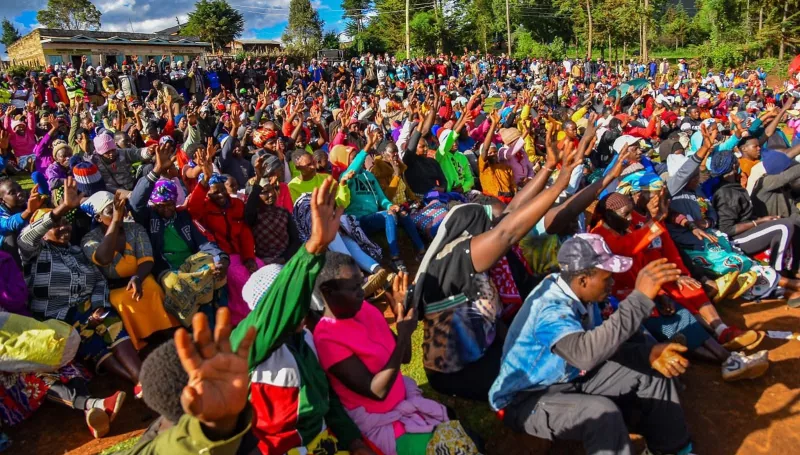

The campaigns are over. The politicians have moved on. The crowds have gone home, and Ol Kalou is slowly returning to normal.
But who is left to deal with the consequences?
The 16 July 2026 Ol Kalou parliamentary by-election was marred by reports of violence, intimidation, attacks on journalists and deaths. Two victims publicly identified were James Muigai Mwathi, 30, from Kaimbaga Ward, and Zachariah Gakinya Mukora, 42, a truck driver from Rurii Ward. Their families are now left to live with a loss that politics cannot undo.
For politicians, an election ends when the results are announced. For families who lose a loved one, there is no election day to end the pain.
The consequences also extend beyond the victims' families. People who were injured may face medical bills and lost income. Businesses that suffered disruption or damage must rebuild. Communities that witnessed violence may be left with fear, mistrust and political divisions.
And then there are the ordinary residents who simply wanted to vote.
A parent may now worry about participating in the next election. A business owner may think twice before opening during a political campaign. A young person who witnessed violence may begin to associate politics with fear rather than opportunity.
This is the part of electoral violence that is rarely discussed.
Politicians can leave. Ordinary citizens cannot leave their lives behind.
As Kenya looks towards the 2027 General Election, Ol Kalou should not only be remembered for who won the parliamentary seat. It should also be remembered for the people who paid the price.
The important questions now are: Who is caring for the affected families? Who is paying the price for the injuries and losses? Who is investigating the violence? And will those responsible be held accountable?
Because when the microphones are switched off and the political vehicles drive away, the mwananchi is still there counting the cost.
No political seat is worth a human life. Democracy should never demand blood as its price.
But who is left to deal with the consequences?
The 16 July 2026 Ol Kalou parliamentary by-election was marred by reports of violence, intimidation, attacks on journalists and deaths. Two victims publicly identified were James Muigai Mwathi, 30, from Kaimbaga Ward, and Zachariah Gakinya Mukora, 42, a truck driver from Rurii Ward. Their families are now left to live with a loss that politics cannot undo.
For politicians, an election ends when the results are announced. For families who lose a loved one, there is no election day to end the pain.
The consequences also extend beyond the victims' families. People who were injured may face medical bills and lost income. Businesses that suffered disruption or damage must rebuild. Communities that witnessed violence may be left with fear, mistrust and political divisions.
And then there are the ordinary residents who simply wanted to vote.
A parent may now worry about participating in the next election. A business owner may think twice before opening during a political campaign. A young person who witnessed violence may begin to associate politics with fear rather than opportunity.
This is the part of electoral violence that is rarely discussed.
Politicians can leave. Ordinary citizens cannot leave their lives behind.
As Kenya looks towards the 2027 General Election, Ol Kalou should not only be remembered for who won the parliamentary seat. It should also be remembered for the people who paid the price.
The important questions now are: Who is caring for the affected families? Who is paying the price for the injuries and losses? Who is investigating the violence? And will those responsible be held accountable?
Because when the microphones are switched off and the political vehicles drive away, the mwananchi is still there counting the cost.
No political seat is worth a human life. Democracy should never demand blood as its price.