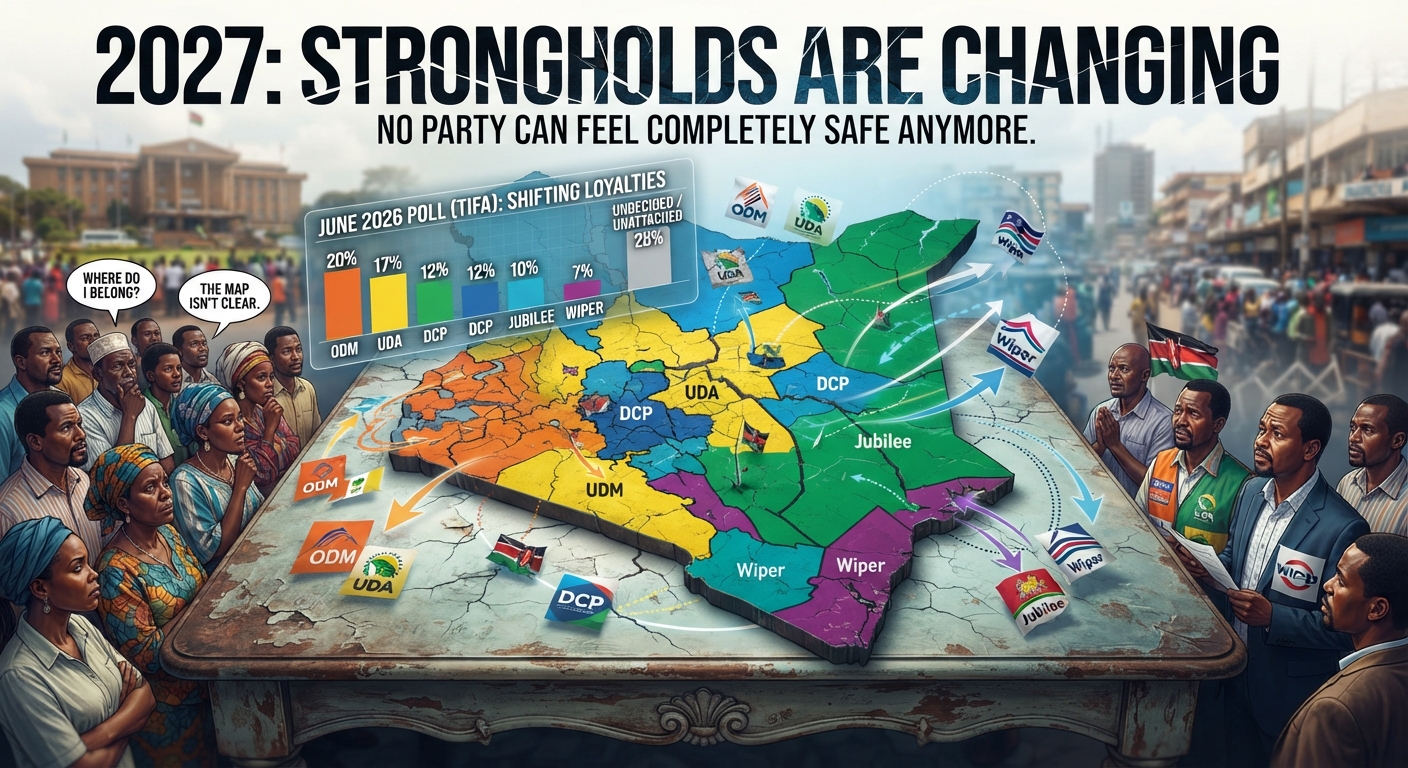
Kenya’s 2027 political landscape is becoming increasingly fluid as traditional party strongholds face new competition. From Mount Kenya and Nyanza to the Coast and Western Kenya, shifting alliances, emerging parties and voters without firm party loyalties are challenging the old political map. With a significant share of voters still undecided, no party can assume that yesterday’s stronghold will remain secure in 2027.
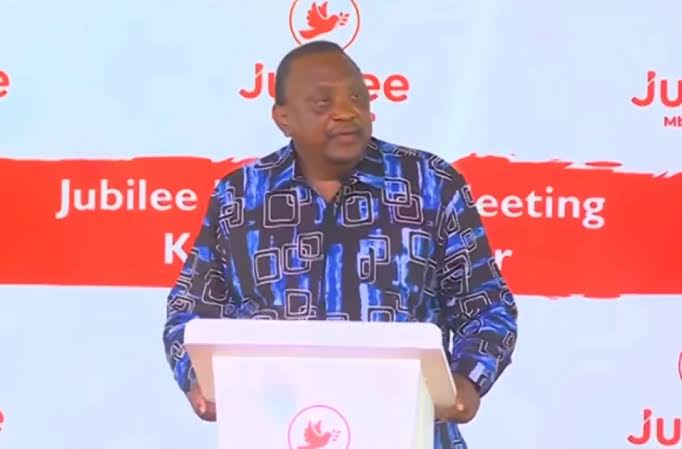
Uhuru Kenyatta’s return to active politics following the court’s decision could reshape Kenya’s 2027 political landscape. While his return does not automatically translate into electoral support, it reintroduces a powerful political figure with deep ties to Mount Kenya and a complicated history with President William Ruto. As opposition alliances continue to shift, Uhuru’s role could influence party negotiations, regional politics and the broader contest ahead of 2027.
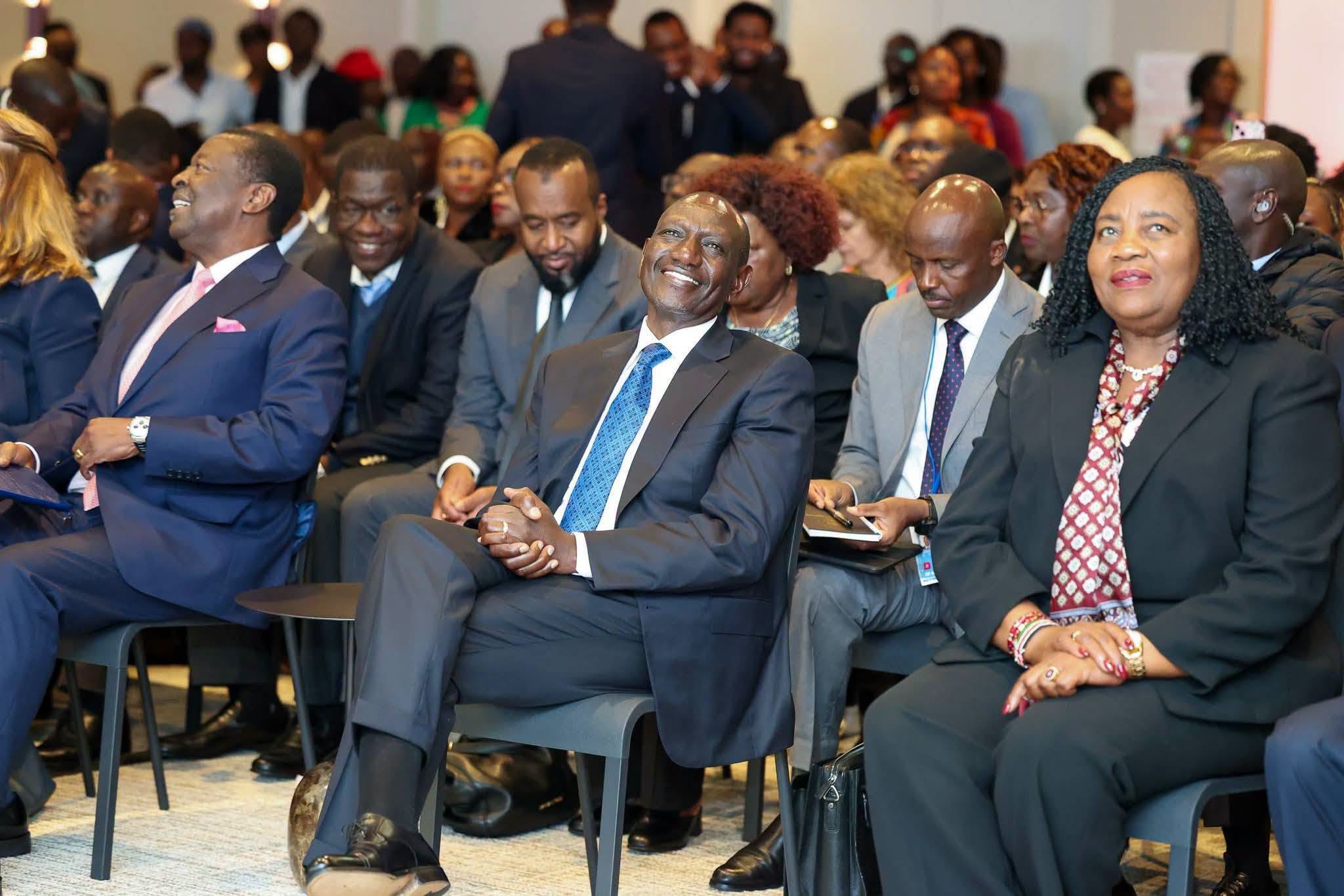
President William Ruto has arrived in New York for the 81st United Nations General Assembly (UNGA) with an agenda that puts investment, African financing and technology at the center of Kenya's international engagement. The UNGA high-level week runs from September 22 to 28 under the theme “Restoring trust, managing transformation: A United Nations that delivers for all.”

The controversy surrounding Didmus Barasa’s academic credentials raises a bigger question about Kenya’s political and public institutions: is he an isolated case, or simply one of the politicians whose qualifications have been exposed? With previous cases involving disputed or allegedly forged certificates, the issue goes beyond one individual. It highlights the need for stronger, transparent verification of academic credentials before anyone enters public office.
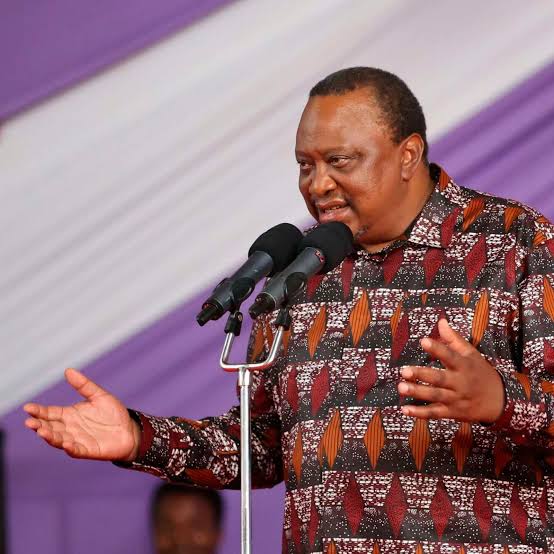
President William Ruto has suggested that retired President Uhuru Kenyatta is behind the Linda Mwananchi movement and its opposition activities ahead of the 2027 elections. While Uhuru's political influence remains a subject of debate, there is currently no publicly established evidence that he is financing or directing the movement. The allegations highlight growing political realignments and tensions as Kenya heads toward 2027.
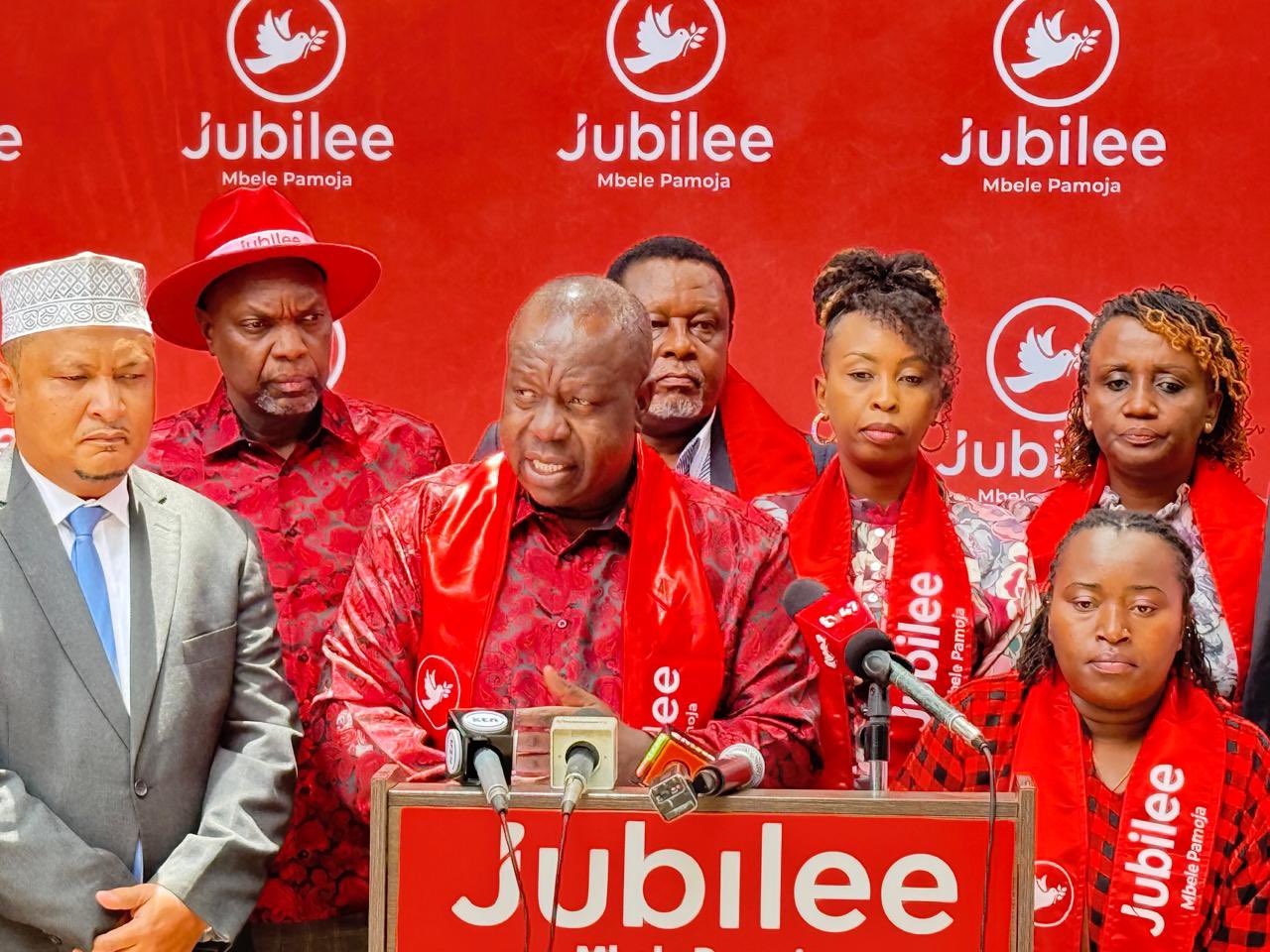
Jubilee Party is facing a fresh internal power struggle as Jeremiah Kioni and factions associated with Fred Matiang'i emerge at the centre of the contest to succeed Uhuru Kenyatta. The dispute raises questions about internal democracy, party leadership, political resources and Jubilee's direction ahead of the 2027 General Election.
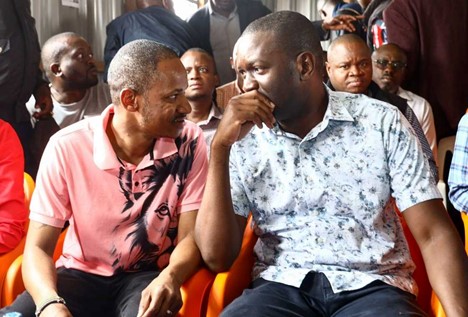
Linda Mwananchi began with a simple idea: unite leaders from across the country under one opposition roof. But as the movement grows, a harder question has emerged — can a coalition with many strong personalities stay united when each brings a different vision, and even a different sense of what the movement actually is, to the table? This is more than a strategy problem; it's an epistemology problem. Disputes over the political vehicle, leadership ambitions, and organisational control aren't just tactical disagreements — they're contests over whose account of "the plan" counts as the real one, and who has the standing to speak for the coalition. When members openly disagree on basic facts (Is there one shared party or several? Who leads the ticket?), the movement isn't just divided on direction — it lacks a common, trusted understanding of itself. As the 2027 General Election nears, that may be Linda Mwananchi's real test: not simply growing the house but agreeing on what the house is — so that expansion doesn't just add more voices, but more confusion.

Nairobi will host the 2029 World Athletics Championships, making history as the first African city to stage the senior global athletics event. The milestone is an opportunity for Kenya to showcase its sporting talent, create economic opportunities, inspire young people, and invest in lasting infrastructure. But success will also depend on transparency, clean sport, youth inclusion, and sustainable planning. The world is coming to Nairobi , what will Kenya have prepared to show it?
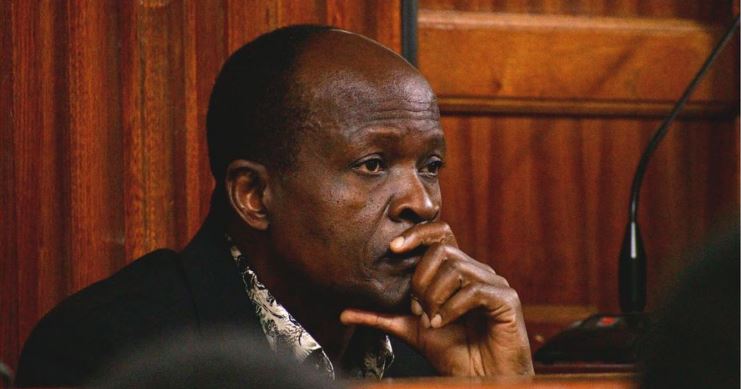
Years after Sharon Otieno's murder sent shockwaves through Kenya, former Migori Governor Zachary Okoth Obado is set to face sentencing today. Convicted in July, along with two former aides, for masterminding the brutal killing of the pregnant university student in 2018, Obado is now pleading for leniency on the grounds of his age and health. In stark contrast, Sharon's family, having depleted their savings and sold land to seek justice, is demanding restitution—not revenge. They are entitled to a house, a car, and ongoing support for the children left behind. This ruling will be a critical test of Kenya's justice system.

The disagreement within Linda Mwananchi has raised questions about the opposition's ability to unite ahead of Kenya's 2027 General Election. With differences emerging over the movement's political vehicle and presidential leadership, the challenge is no longer only about confronting President William Ruto. It is about whether opposition leaders can resolve their ambitions, present a clear alternative and earn the confidence of Kenyan voters. The election remains undecided, and Kenyans should assess all political formations based on their records, policies and vision for the country.
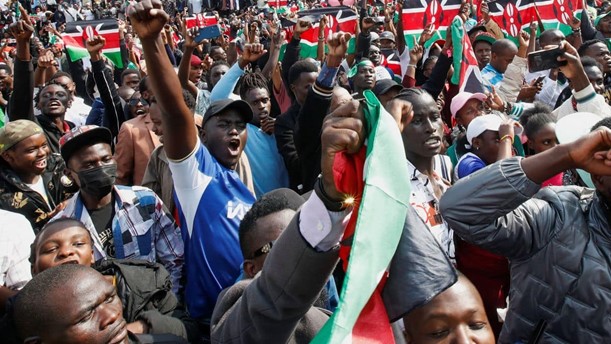
Kenya’s electoral landscape could look very different. As innovation defines how citizens access, share, and exchange information, the young generation of voters can engage with political aspirants long before election day. At the center of this shift is a service designed to connect aspirants with voters, capture aspirant needs, and create a structured system that shapes the election and delivers an ideal solution for the electorate and the aspirants altogether
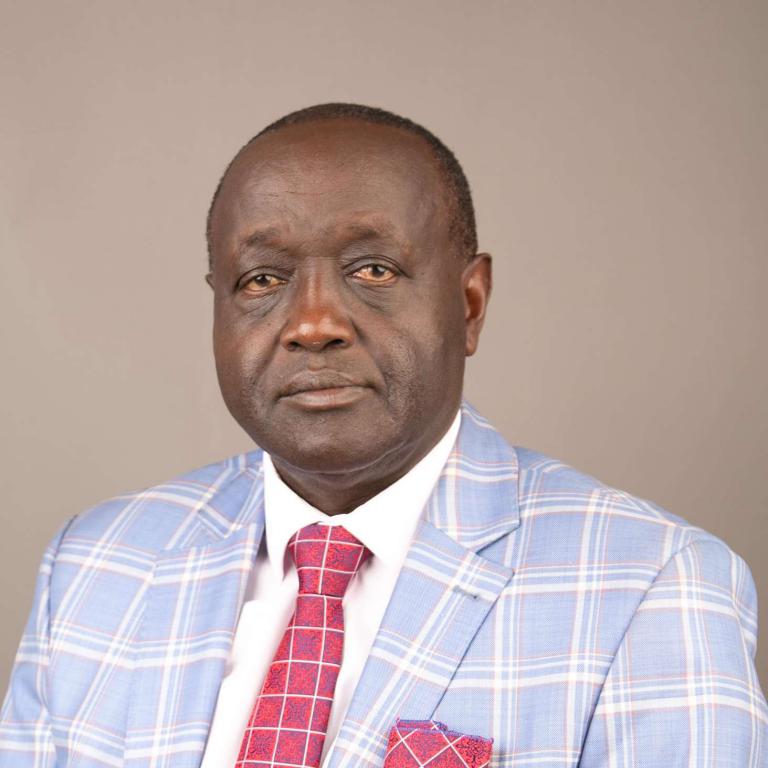
The recent controversy surrounding Sotik MP Francis Sigei’s remarks at President William Ruto’s rally raises a bigger question about political freedom in Kenya: Are we still allowed to hold independent opinions? While Sigei later apologised and clarified his remarks, the incident highlights a political culture where disagreement can quickly be interpreted as disloyalty. Democracy should allow leaders and citizens to support, question, or disagree with those in power without fear. Political loyalty should never require surrendering independent thought, and accountability should never be mistaken for betrayal.