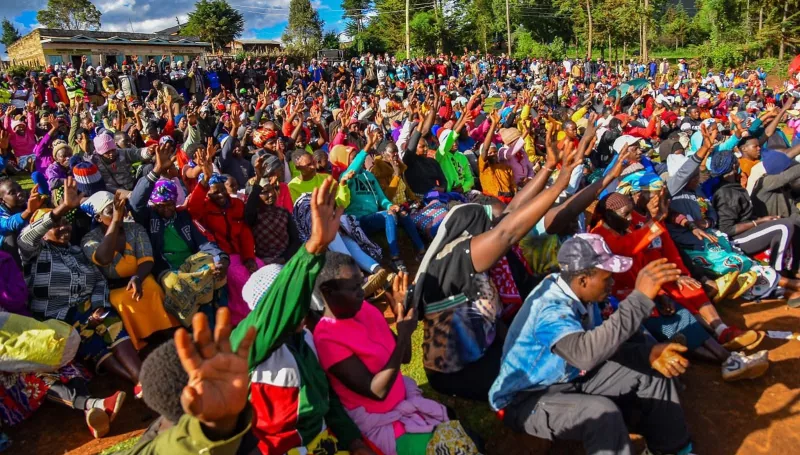
The Ol Kalou by-election may be over, and politicians may have moved on, but ordinary citizens are left to bear the consequences of electoral violence. With lives lost, families grieving, businesses disrupted and trust damaged, the real question remains: now that the politicians are gone and everything has quieted down, who is suffering?
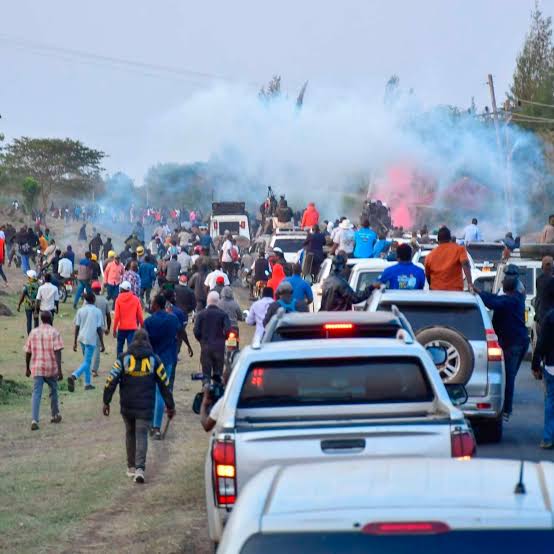
Violence that erupted during the Linda Mwananchi rally in Homa Bay has left a troubling trail of injuries, destruction and arrests. Police have arrested 37 suspects and recovered crude weapons, while a police officer was killed and several others injured. The incident raises serious questions about political tolerance, security preparedness and the growing danger of violence ahead of the 2027 elections.
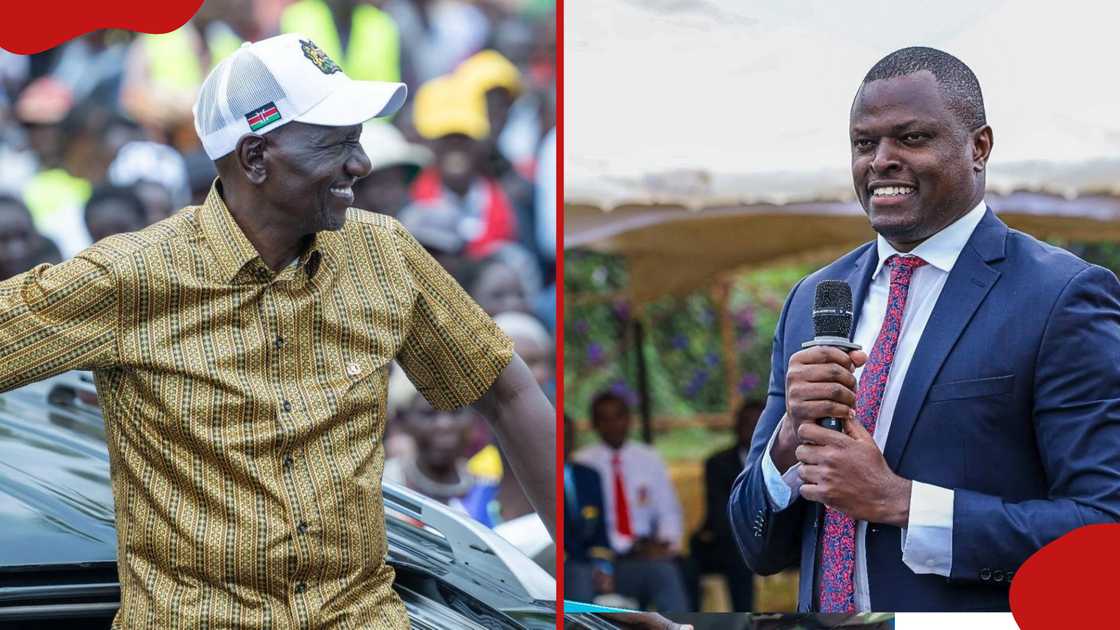
Ndindi Nyoro’s decision to leave UDA and join the People’s Party of Kenya marks a significant shift in Kenya’s political landscape ahead of the 2027 General Election. Once a prominent defender of President William Ruto’s administration, Nyoro is now aligning himself with the opposition. His move raises questions about his political ambitions, the future of UDA’s support base, and whether he could influence the emerging battle for Central Kenya and beyond.
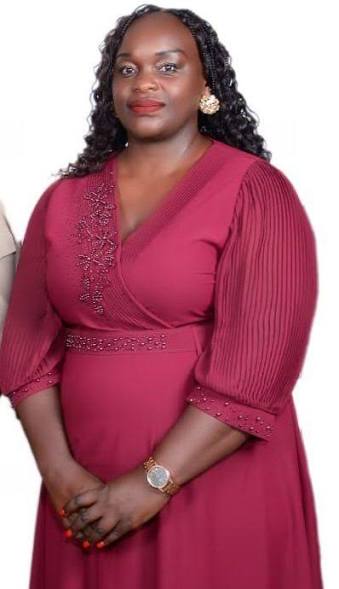
Kakamega Senator Dr. Boni Khalwale is mourning the sudden death of his wife, Gloria Sekeiyan Khalwale, who reportedly passed away after collapsing from a heart attack. Gloria was a mother of eight and largely kept her life away from the political spotlight. We extend our deepest condolences to Senator Khalwale, her children, family, friends and the people of Kakamega during this difficult time. May her soul rest in peace.
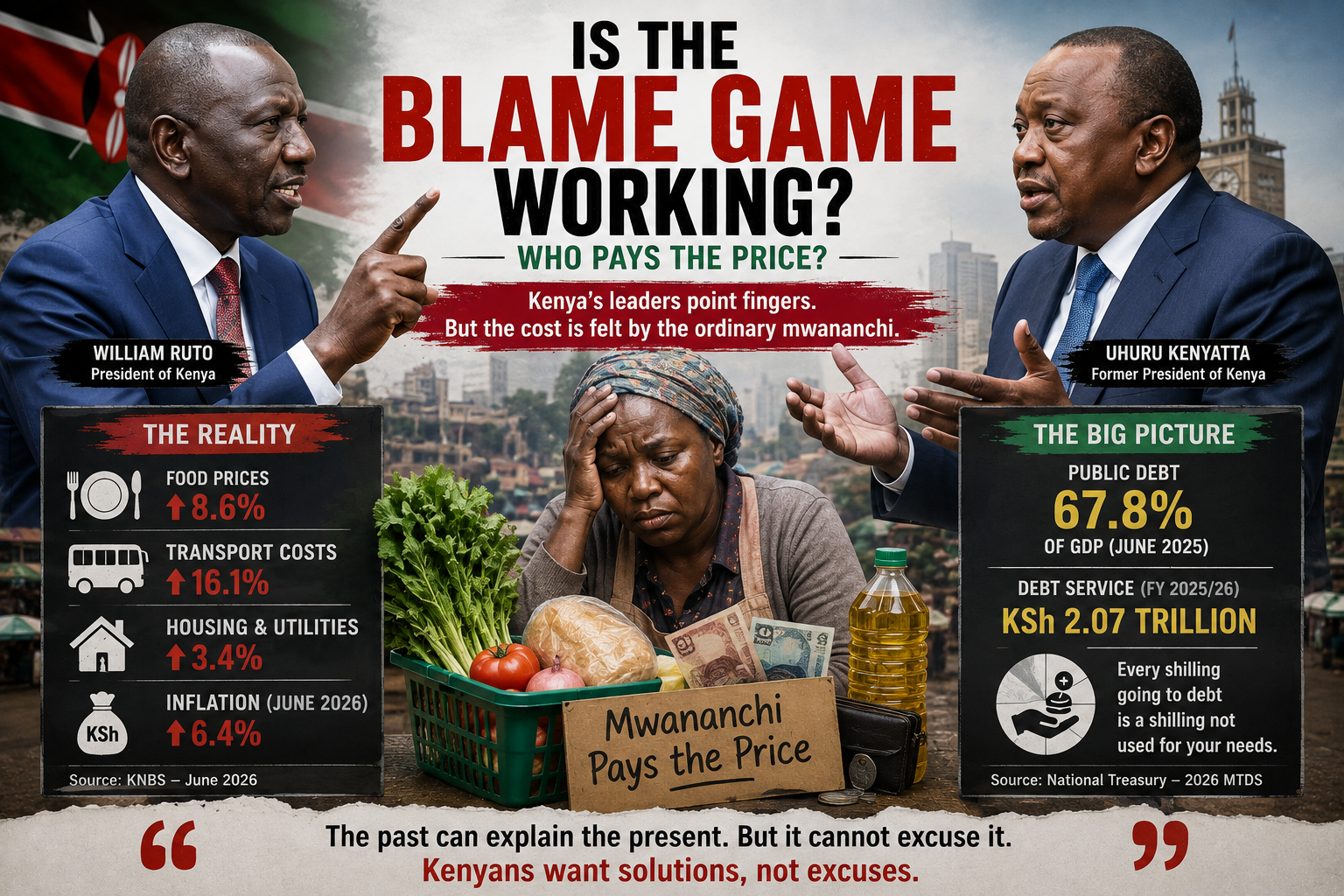
Kenya’s economic debate has increasingly become a contest over who is responsible for the country’s financial difficulties. While the Ruto administration inherited significant debt and fiscal pressures, nearly four years in office raises a different question: is the blame game still enough? With households facing pressure from food, transport, taxes and other living costs, ordinary Kenyans are increasingly interested in results rather than explanations. As 2027 approaches, the real measure of economic performance may not be political speeches or GDP figures, but whether the mwananchi can actually afford a better life.Kenya’s economic debate has increasingly become a contest over who is responsible for the country’s financial difficulties. While the Ruto administration inherited significant debt and fiscal pressures, nearly four years in office raises a different question: is the blame game still enough? With households facing pressure from food, transport, taxes and other living costs, ordinary Kenyans are increasingly interested in results rather than explanations. As 2027 approaches, the real measure of economic performance may not be political speeches or GDP figures, but whether the mwananchi can actually afford a better life.
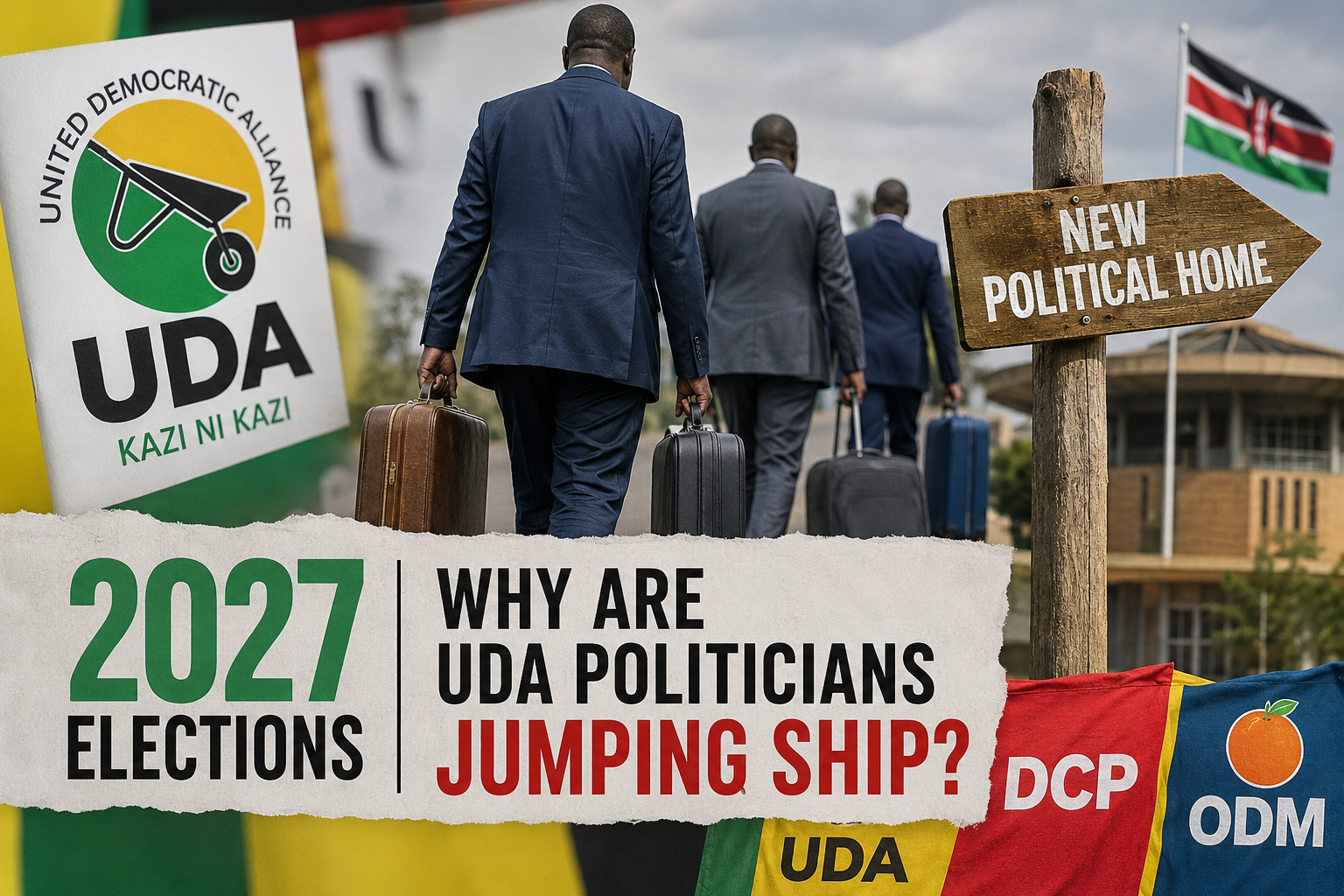
With Kenya’s 2027 General Election less than a year away, a number of politicians associated with UDA are repositioning themselves, raising questions about the party’s political strength and President William Ruto’s support. The defections may reflect voter sentiment, concerns over party nominations, regional politics, personal ambitions or the search for stronger electoral alliances. While the movement is significant, it is too early to conclude that UDA is losing its grip. Ultimately, the impact of these political shifts will depend on whether voters not just politicians change their loyalties.
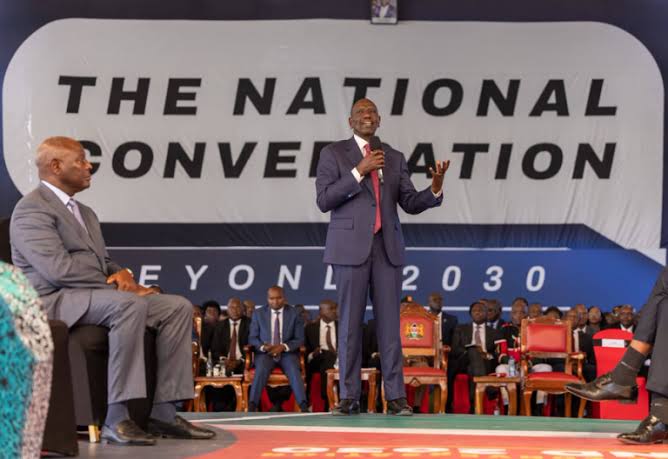
President William Ruto’s push for a Kenya Vision 2060 has opened an important national conversation about the country’s long-term future. While the initiative seeks to move development planning beyond election cycles, questions remain about public participation, political neutrality and implementation. A successful Vision 2060 will ultimately depend not only on the ambition of the plan, but on whether it becomes a genuinely national framework capable of surviving successive governments and addressing both today’s challenges and tomorrow’s needs.
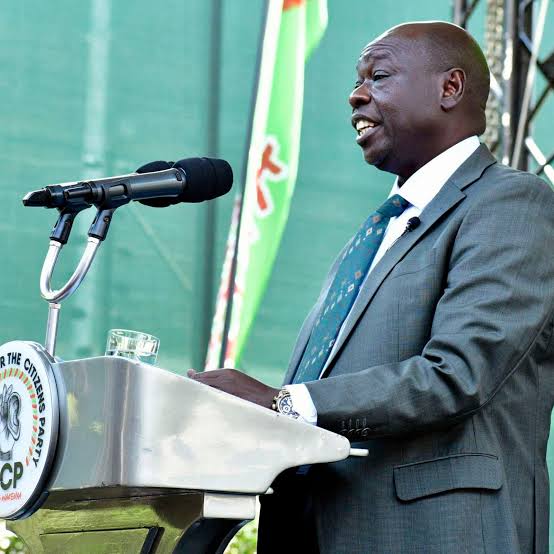
As Deputy President, Gachagua was part of the Kenya Kwanza administration he is now criticising. He interacted with senior government officials and institutions and had a front-row seat to the workings of government.
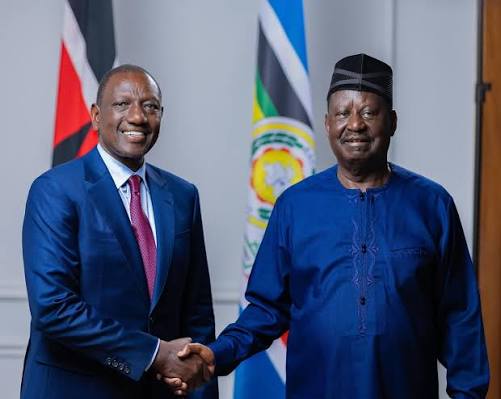
President William Ruto has once again invoked the political partnership he formed with the late Raila Odinga, this time while defending the government’s agenda on affordable housing, universal health coverage and the controversial 10-point agreement between the Kenya Kwanza administration and ODM.
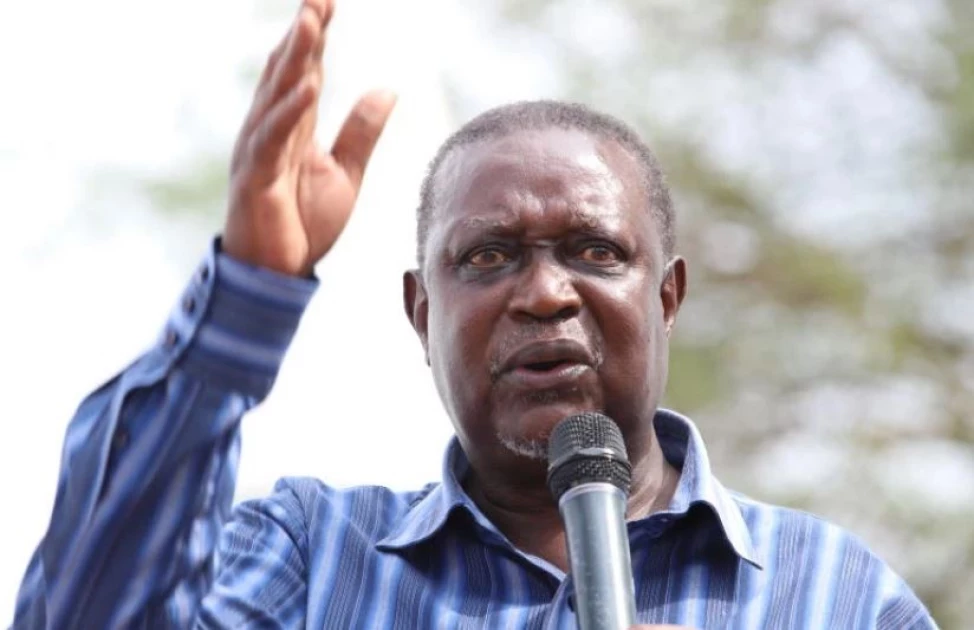
Is Oburu Oginga capable of leading ODM, or is he simply occupying a position created by the political shadow of Raila Odinga?
With the 2027 General Election approaching, the question of whether William Ruto will become Kenya’s first one-term president is gaining political significance. Ruto’s allies are already mobilising for a second term, while the opposition hopes to turn economic frustrations, youth dissatisfaction and political divisions into an electoral challenge. The President has the constitutional right to seek another term, but whether Kenyans will give him five more years will ultimately depend on the economy, the strength of the opposition and the choices voters make at the ballot box.
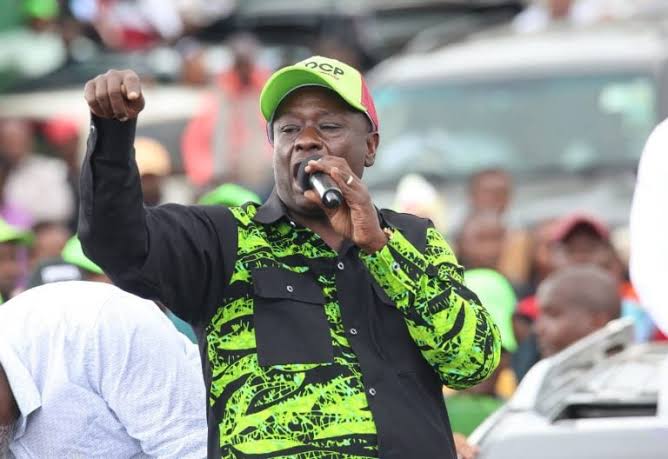
Former Deputy President Rigathi Gachagua’s controversial claim that “women traitors are worse than men traitors” has sparked a wider debate about gender, political loyalty and who gets to define betrayal. While Gachagua insists his criticism targets political “traitors” rather than women, the remark raises an important question: should political betrayal be judged by gender or by the consequences of a leader’s actions? As Kenya heads toward 2027, the dispute involving Anne Waiguru, Susan Kihika and Cecily Mbarire reflects a much deeper battle over political influence, community interests and who gets to speak for Mt Kenya.